If a girl sends just a ) in a text message it usually represents a simple smile a lighthearted tone or a friendly feeling. It is commonly used in texting Snapchat TikTok comments Instagram messages and other online chats.
Many people search for the meaning of ) because it can seem confusing when it appears alone in a conversation. Unlike traditional emojis this symbol is subtle and can carry different emotions depending on the context.
You’ll often see it in casual conversations where someone wants to sound warm playful or slightly shy without using a full emoji.
Understanding what ) means can help you avoid misunderstandings and better interpret messages from friends classmates coworkers or someone you like.
) Meaning in Text
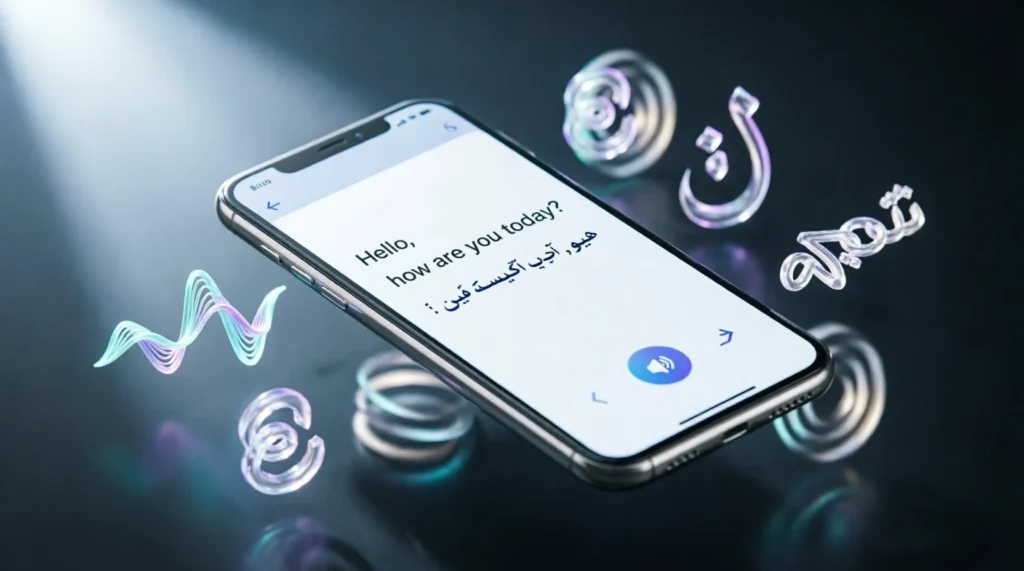
The symbol “)” is one of the simplest forms of a text smile.
In online conversations, people sometimes type only the closing parenthesis instead of a full smiley face like “:)” because it is quicker and looks more natural in casual chat.
When a girl sends “)”, it often means:
- Smiling
- Being friendly
- Showing happiness
- Softening a message
- Adding warmth to a conversation
It is not an acronym, abbreviation, or slang word.
Instead, it is a text-based expression that acts like a mini emoji.
For example:
“Thanks )”
The symbol makes the message feel more cheerful and friendly.
Without it, the message may seem more neutral.
What Does It Mean in Everyday Chat?
In normal texting, “)” usually suggests:
- A positive mood
- Friendly intentions
- Casual conversation
- Light humor
- A relaxed tone
Many people use it automatically without thinking much about it.
Where People Use )
The symbol appears across many social media and messaging platforms.
TikTok
On TikTok, users sometimes add “)” in comments to make their messages appear friendlier.
Example:
“Your videos always make my day )”
Snapchat
Snapchat conversations are often casual and fast-paced.
Many users send “)” after a joke or compliment to sound more approachable.
Example:
“That filter looks good on you )”
Instagram DMs and comment sections frequently include text symbols.
A simple “)” can make a message feel warmer than plain text.
Example:
“Love this photo )”
WhatsApp users commonly replace emojis with symbols when texting quickly.
Example:
“See you tomorrow )”
SMS
Traditional text messaging is where symbols like “)” became popular before modern emojis existed.
Example:
“Good luck on your test )”
Real Chat Examples
Example 1
A: I finally passed my exam.
B: That’s awesome )
A: Thanks!
Example 2
A: Did you watch the movie?
B: Yes, it was really good )
A: I need to see it.
Example 3
A: Thanks for helping me.
B: No problem )
A: You’re the best.
Example 4
A: I got your message.
B: Great )
A: I’ll call later.
Example 5
A: You look happy today.
B: I am )
A: That’s nice to hear.
Example 6
A: Are you free tonight?
B: Maybe )
A: Let me know.
Example 7
A: I miss hanging out.
B: Me too )
A: We should meet soon.
Example 8
A: That joke was terrible.
B: I know )
A: At least you tried.
Example 9
A: Thanks for the recommendation.
B: Anytime )
A: I’ll check it out.
Example 10
A: Have a great day.
B: You too )
A: Thanks!
How to Reply When Someone Says “)”
The best response depends on the conversation and your relationship with the person.
Funny Replies
- That’s the happiest parenthesis I’ve seen today.
- One smile detected )
- Double smile back ))
Casual Replies
- Thanks )
- Sounds good )
- Cool!
Friendly Replies
- Glad to hear that )
- Hope you’re doing well too.
- Appreciate it!
Neutral Replies
- Okay.
- Got it.
- Understood.
- Thanks for letting me know.
Is ) Rude or Offensive?
No, “)” is generally not considered rude or offensive.
Most people use it to make their messages seem friendlier.
Is It Safe to Use?
Yes.
It is widely accepted across social media platforms and messaging apps.
Is It Appropriate at School?
Usually yes.
Teachers and students often understand it as a friendly smile.
Is It Appropriate at Work?
In casual workplace chats, it is usually acceptable.
However, in formal business emails, it may be better to use professional language instead of text symbols.
Who Uses This Term?
The symbol “)” is used by a wide range of people.
Age Groups
Common users include:
- Teenagers
- College students
- Young adults
- Internet users of all ages
Gen Z Usage
Gen Z frequently uses text symbols and minimalist expressions.
Many younger users prefer simple symbols over traditional emojis.
Common Platforms
You’ll often find it on:
- TikTok
- Snapchat
- Discord
- Messenger
- SMS
How Often Does It Appear Online?
It appears regularly in casual online conversations.
Although emojis have become more popular, text-based smiles remain common because they are quick and easy to type.
Origin of the Term
The symbol “)” comes from early internet communication.
Before smartphones and emoji keyboards became standard, people used keyboard characters to express emotions.
A smiley face such as “:)” became one of the most popular text expressions online.
Over time, many users started dropping the colon and using only “)” because it was faster.
Internet Culture Influence
Internet culture helped spread minimalist typing styles.
Users often shortened expressions to make conversations feel more natural and less formal.
Is the Origin Clear?
Yes, the symbol is generally considered a simplified version of the classic smiley face “:)”.
Its exact first usage is difficult to identify, but its roots are tied to early internet chat rooms and text messaging culture.
Comparison Table
| Term | Meaning | Type | Usage | Popularity |
|---|---|---|---|---|
| ) | Smile or friendly tone | Text symbol | Casual conversations | High |
| IDK | I Don’t Know | Acronym | Expressing uncertainty | Very High |
| IDC | I Don’t Care | Acronym | Showing lack of concern | High |
| IMO | In My Opinion | Acronym | Sharing opinions | High |
| BRB | Be Right Back | Acronym | Temporary absence | Very High |
Real World Usage Example
Imagine a girl texting a friend after school.
Friend: “Thanks for helping me with my homework.”
Girl: “No problem )”
The symbol helps make the message feel friendly and warm. Without it, the reply might seem more formal or distant.
This is one of the most common ways people use “)” in everyday conversations.
What Does It Mean When a Girl Sends Only “)”?
Sometimes a girl sends only the symbol “)” as a complete message. In most cases, this acts as a simple smile or reaction rather than a full response.
The meaning depends heavily on the conversation. If she sends it after a joke, she is probably showing amusement. If she sends it after a compliment, it may indicate appreciation or slight shyness.
Because text messages lack facial expressions and tone of voice, symbols like “)” help communicate emotion without typing extra words.
Is Sending Only “)” a Good Sign?
Often, yes.
A standalone “)” usually suggests the person is comfortable with the conversation and wants to keep a positive tone. However, it should not automatically be interpreted as romantic interest.
Context always matters more than the symbol itself.
Psychological Meaning Behind “)”
Digital communication has created many shortcuts for expressing emotions. The symbol “)” works because people naturally associate it with a smiling face.
Psychologically, adding a smile to a message can make it feel:
- Less serious
- More welcoming
- Friendlier
- Less likely to cause misunderstanding
Many people use “)” subconsciously because it softens written communication.
Why People Prefer “)” Over Emojis
Some users feel emojis can appear too expressive or dramatic.
A simple parenthesis creates a softer and more subtle emotional effect. It feels casual and natural, especially among people who text frequently.
Different Meanings Based on Conversation Context
The same symbol can have slightly different meanings depending on the situation.
After a Compliment
Example:
“You did a great job )”
Here, the symbol adds warmth and encouragement.
After a Joke
Example:
“That was actually funny )”
In this situation, it shows amusement.
After Saying Thank You
Example:
“Thanks for helping me )”
This version expresses gratitude and friendliness.
During Casual Small Talk
Example:
“Hope you’re having a good day )”
The symbol simply makes the message feel more positive.
Does “)” Mean Flirting?
Not necessarily.
Many people use “)” with friends, family members, classmates, and coworkers.
However, when combined with compliments, teasing, or ongoing personal conversations, some people may interpret it as slightly flirtatious.
Signs It May Be Flirting
Look for other clues such as:
- Frequent messaging
- Personal questions
- Playful teasing
- Consistent compliments
- Quick responses
The symbol alone is usually not enough evidence of flirting.
How “)” Differs From Traditional Emojis
Modern messaging apps offer hundreds of emojis, but text symbols still remain popular.
Here are some differences:
| Symbol | Typical Feeling |
|---|---|
| ) | Simple, subtle smile |
| 😊 | Friendly happiness |
| 😄 | Excitement and joy |
| 😉 | Playful or teasing |
| ❤️ | Affection or love |
Many users choose “)” because it feels less formal and more natural than colorful emojis.
Common Mistakes When Interpreting “)”
People sometimes overanalyze small texting habits.
Mistake #1: Assuming Romantic Interest
A smile symbol does not automatically mean someone likes you romantically.
Mistake #2: Ignoring Context
The conversation surrounding the symbol usually provides the real meaning.
Mistake #3: Comparing Different Users
Different people have different texting styles. One person may use “)” constantly, while another rarely uses it.
How Texting Culture Changed the Meaning of Symbols
Before smartphones became common, internet users relied on keyboard characters to show emotion.
Symbols like:
- 🙂
- 😉
- 🙁
became a standard part of online communication.
Over time, people simplified these expressions, leading to shortcuts like “)” becoming widely accepted.
Today’s texting culture values speed and simplicity, which helps explain why this symbol remains popular.
Regional and Cultural Differences
The use of “)” can vary slightly between countries and online communities.
In some regions, text-based emoticons remain extremely common, while in others, emojis have largely replaced them.
Despite these differences, most internet users recognize “)” as a friendly expression.
Can “)” Be Misunderstood?
Yes, occasionally.
Someone unfamiliar with internet slang or texting culture might not immediately recognize the symbol as a smile.
In rare cases, people may see it as random punctuation rather than an emotional cue.
This is one reason why context is important when interpreting online messages.
Future of Text Symbols in Online Communication
Even though emojis dominate modern messaging, simple symbols continue to survive because they are quick, universal, and easy to type.
Many Gen Z and internet-native users still prefer minimalist expressions such as:
- )
- ))
- 🙂
These symbols remain an important part of digital communication and are unlikely to disappear completely anytime soon.
What Does “))” Mean Compared to a Single “)”?
A single “)” usually represents a small, friendly smile. When someone uses “))” or even “)))”, the emotional tone often becomes stronger.
Many internet users add extra parentheses to show:
- More happiness
- Greater friendliness
- Excitement
- Enthusiasm
For example:
“Good luck on your interview ))”
This often feels warmer than:
“Good luck on your interview )”
The additional parentheses can make the message seem more energetic and positive.
Why Some Girls Use “)” Instead of Emojis
Not everyone enjoys using emojis in every conversation.
Many people prefer “)” because it feels more natural and less distracting than colorful emoji icons.
Some reasons include:
- Faster typing
- Simpler appearance
- Habit from older texting styles
- More subtle emotional expression
- Less formal than emojis
For some users, a simple parenthesis feels closer to everyday conversation than a graphic emoji.
Does It Make Messages Feel More Personal?
In many cases, yes.
Because “)” is manually typed rather than selected from an emoji menu, some people feel it creates a more authentic and relaxed tone.
How Different Generations Interpret “)”
People of different age groups often understand internet symbols differently.
Teenagers and Gen Z
Younger users typically recognize “)” instantly as a smile.
They may use it regularly in conversations with friends and classmates.
Millennials
Many Millennials grew up using text emoticons before smartphones became common.
As a result, they often understand and use “)” naturally.
Older Adults
Some older users may be less familiar with modern texting shortcuts and may need additional context to understand the symbol.
Even so, its meaning is generally easy to learn.
Situations Where “)” Creates a Friendlier Tone
Written messages can sometimes sound cold even when no offense is intended.
Adding “)” can soften a message and make it feel more welcoming.
Giving Advice
Example:
“You should get some rest tonight )”
The suggestion feels gentler and less demanding.
Correcting Someone
Example:
“I think the meeting is actually tomorrow )”
The symbol helps reduce the risk of sounding critical.
Ending a Conversation
Example:
“Talk to you later )”
This creates a pleasant closing tone.
How “)” Changes the Emotional Tone of a Message
Small symbols can significantly affect how text is interpreted.
Compare these examples:
Without symbol:
“I understand.”
With symbol:
“I understand )”
The second version generally appears:
- Friendlier
- Less formal
- More approachable
- More positive
This is why many people use “)” even when their meaning is already clear.
Can “)” Mean Shyness?
Sometimes.
In certain conversations, especially personal ones, “)” can make a message appear slightly shy or reserved.
For example:
“You’re really nice )”
The symbol may make the compliment feel softer and less direct.
However, this interpretation depends heavily on context and the individual’s texting style.
How “)” Is Used in Online Friendships
Friend groups often develop their own communication habits.
Within online friendships, “)” may be used to:
- Show appreciation
- Express support
- Respond positively
- Reduce awkwardness
- Keep conversations comfortable
Because the symbol is simple and non-serious, it fits naturally into everyday interactions.
The Role of “)” in Digital Body Language
Just as facial expressions matter in face-to-face conversations, symbols matter in digital communication.
Researchers and communication experts often refer to these cues as digital body language.
Examples include:
- Emojis
- GIFs
- Punctuation choices
- Capitalization
- Text symbols like “)”
These elements help people understand emotions that would otherwise be difficult to detect in plain text.
Why Digital Body Language Matters
Without emotional cues, messages can be misunderstood.
A small symbol such as “)” can help clarify intent and reduce confusion.
When Not to Use “)”
Although the symbol is widely accepted, there are situations where it may not be appropriate.
Professional Business Emails
Formal communication generally benefits from complete sentences and professional wording.
Academic Writing
School assignments, reports, and essays should avoid casual texting symbols.
Official Documents
Applications, contracts, and formal requests should use standard written language.
Using “)” in these settings may appear unprofessional.
Similar Symbols People Use Online
The internet contains many alternative text expressions that communicate emotions.
🙂
The classic smiley face.
Represents excitement or laughter.
😉
Suggests playfulness or joking.
^^
Often used to show happiness or satisfaction.
<3
Represents affection or appreciation.
Each symbol has a slightly different emotional meaning, even though they all help express positive feelings.
How Frequently Does “)” Appear on Social Media?
The exact frequency is difficult to measure because it appears in millions of comments and messages every day.
However, it remains common because:
- It is easy to type
- It works on every device
- It requires no emoji keyboard
- Most internet users understand it
Even as emoji usage grows, text symbols continue to play an important role in online communication.
Does “)” Have Different Meanings in Different Communities?
Yes.
Different online communities sometimes develop their own interpretations and habits.
For example:
- Gaming communities may use it casually after jokes.
- Student groups may use it in everyday chat.
- Social media users may add it to comments for friendliness.
- Online friends may use it as part of their normal texting style.
The core meaning usually remains positive, but the exact emotional tone can vary slightly.
Why This Symbol Has Stayed Popular for Years
Many internet trends disappear quickly, but “)” has remained relevant for decades.
Its continued popularity comes from several advantages:
- Simple to understand
- Easy to type
- Works across platforms
- Doesn’t require special software
- Adds emotion without cluttering messages
These qualities make it one of the most enduring symbols in online communication.
What People Usually Feel When They Receive “)”
When most people see “)” in a message, they often perceive the sender as:
- Friendly
- Polite
- Relaxed
- Positive
- Approachable
This emotional effect explains why the symbol continues to be used despite the availability of countless modern emojis and reaction tools.
Can “)” Have a Hidden Meaning?
Many people wonder whether a simple “)” carries a secret message. In most cases, it does not.
The symbol is usually used as a friendly expression rather than a coded signal. However, because texting lacks facial expressions and vocal tone, people sometimes read more into it than intended.
A girl may use “)” simply because it is part of her normal texting style. Before assuming a deeper meaning, consider how she communicates with other people as well.
Should You Analyze It Too Much?
Probably not.
Looking at the entire conversation will almost always provide a more accurate understanding than focusing on a single symbol.
How “)” Helps Avoid Texting Misunderstandings
Text messages can easily be misinterpreted.
A short response such as “okay” may sound annoyed, even when the sender has no negative feelings. Adding “)” can make the same message feel much friendlier.
For example:
“Okay.”
vs.
“Okay )”
The second version often feels more welcoming and positive.
Because of this, many people use text symbols to reduce confusion and prevent accidental misunderstandings.
Is “)” More Common in Private Messages or Public Comments?
The symbol appears in both places, but private conversations tend to use it more frequently.
In direct messages, people often want their messages to feel personal and relaxed. A simple “)” helps create that atmosphere.
Public comments may also contain the symbol, especially when users:
- Compliment content creators
- Respond to friends
- Leave supportive comments
- Participate in casual discussions
What Does It Mean When a Girl Uses “)” Frequently?
Some people include “)” in almost every message they send.
This doesn’t necessarily indicate a special emotion. Instead, it may simply be part of their personal communication style.
Frequent use can suggest:
- A friendly personality
- Positive communication habits
- A preference for casual texting
- Comfort with online conversations
If someone uses “)” regularly with everyone, it is usually just a texting habit.
How Online Trends Influence Symbols Like “)”
Internet communication changes constantly.
New slang terms, abbreviations, and symbols appear every year. Despite these changes, some symbols remain popular because they are simple and easy to understand.
The continued use of “)” shows how older internet habits can survive alongside modern trends.
Many users combine traditional text symbols with newer communication tools such as:
- Emojis
- Stickers
- GIFs
- Reactions
- Voice messages
Does “)” Mean the Same Thing Across All Platforms?
Generally, yes.
Whether it appears on Snapchat, Instagram, TikTok, WhatsApp, or SMS, the basic meaning usually remains positive.
However, platform culture can slightly affect interpretation.
For example:
- TikTok users may use it playfully.
- Instagram users may add it to compliments.
- Snapchat users may include it in casual daily conversations.
The symbol remains largely consistent across platforms.
Why Minimalist Texting Is Becoming Popular
Many internet users are moving toward shorter and simpler communication styles.
Instead of long messages, people often prefer:
- Short replies
- One-word answers
- Symbols
- Reactions
- Emojis
The symbol “)” fits perfectly into this trend because it communicates emotion without requiring extra effort.
This minimalist style is especially common among younger internet users.
How “)” Compares to Modern Reaction Features
Today’s apps offer many ways to react to messages.
Users can:
- Like messages
- Add emoji reactions
- Send stickers
- Share GIFs
Despite these options, many people still type “)” manually.
One reason is that it feels more personal. A manually typed symbol can sometimes seem more genuine than pressing a reaction button.
Signs That “)” Is Just Being Friendly
Sometimes people mistakenly assume that every smile symbol has romantic meaning.
In reality, “)” is often used in completely platonic conversations.
Signs it is simply friendly include:
- It appears in conversations with multiple people.
- The sender uses it frequently.
- The conversation is casual and non-personal.
- There are no flirtatious messages surrounding it.
In these situations, the symbol is usually just a friendly gesture.
The Future of Text-Based Expressions
Text-based expressions have existed since the early days of the internet.
Although technology continues to evolve, many classic symbols remain recognizable decades later.
Future communication trends may introduce new ways to express emotion, but simple symbols like “)” are likely to remain part of internet culture because they are:
- Universal
- Easy to type
- Instantly recognizable
- Compatible with every device
Their simplicity is one of the main reasons they continue to survive in modern digital communication.
Quick Facts About “)”
Here are some fast facts readers often find useful:
| Fact | Details |
|---|---|
| Type | Text symbol |
| Main Meaning | Smile or friendly tone |
| Negative Meaning | Rare |
| Common Platforms | TikTok, Snapchat, Instagram, WhatsApp, SMS |
| Formal Usage | Not recommended |
| Emoji Equivalent | 🙂 or 😊 |
| Popular Among | Teens, Gen Z, and frequent texters |
| Usually Indicates | Positivity, friendliness, warmth |
Expert Tip for Understanding Text Symbols
When interpreting any internet symbol, always focus on the surrounding conversation rather than the symbol alone.
The same “)” can represent:
- A smile
- Appreciation
- Support
- Politeness
- Playfulness
The context of the message is what determines the most accurate meaning.
This approach helps prevent misunderstandings and gives a clearer picture of what the sender intended to communicate.
Frequently Asked Questions
What does ) mean in text messages?
It usually represents a smile, friendliness, or a positive tone in a conversation.
What does ) mean on TikTok?
On TikTok, it is often used in comments and messages to appear friendly, happy, or playful.
Is ) slang?
No. It is a text symbol rather than a slang word or acronym.
Is ) rude or offensive?
No. It is generally considered polite and friendly.
How should you reply to )?
You can respond naturally based on the conversation. Many people simply reply with another smile, emoji, or friendly message.
Conclusion:
The symbol ) is a simple way to show friendliness happiness or a smile in online conversations. A girl may use it to make a message feel warmer softer or more casual.
You’ll commonly see it on TikTok Snapchat Instagram,WhatsApp and traditional text messages. In most situations it is completely harmless and easy to understand.
While it works well in casual conversations it may not be the best choice for very formal school assignments professional emails or official workplace communication. Understanding this small symbol can help you better interpret modern online conversations and respond appropriately.
Discover more post:
| https://grmmarlab.com/bfn-meaning-in-text/ |
| https://grmmarlab.com/what-does-lb-mean/ |
| https://grmmarlab.com/iwk-meaning/ |

Emma is a language enthusiast and content writer with over 5 years of experience in grammar, writing, and English language education. She specializes in creating clear, accurate, and easy-to-understand content that helps readers improve their communication skills. Her work focuses on grammar rules, vocabulary, punctuation, internet slang, and everyday English usage.