DTTM in text usually means Don’t Talk To Me. People use it in messages social media captions and online conversations when they want to be left alone are feeling upset, or simply do not want to chat at the moment.
You may see DTTM on TikTok Snapchat Instagram WhatsApp or regular text messages. Because internet slang changes quickly many people search for this abbreviation to understand what someone meant when they used it in a conversation.
If you’ve received a message containing DTTM or noticed it in a social media post this guide explains exactly what it means how it’s used, and whether it’s appropriate to use yourself.
DTTM Meaning in Text
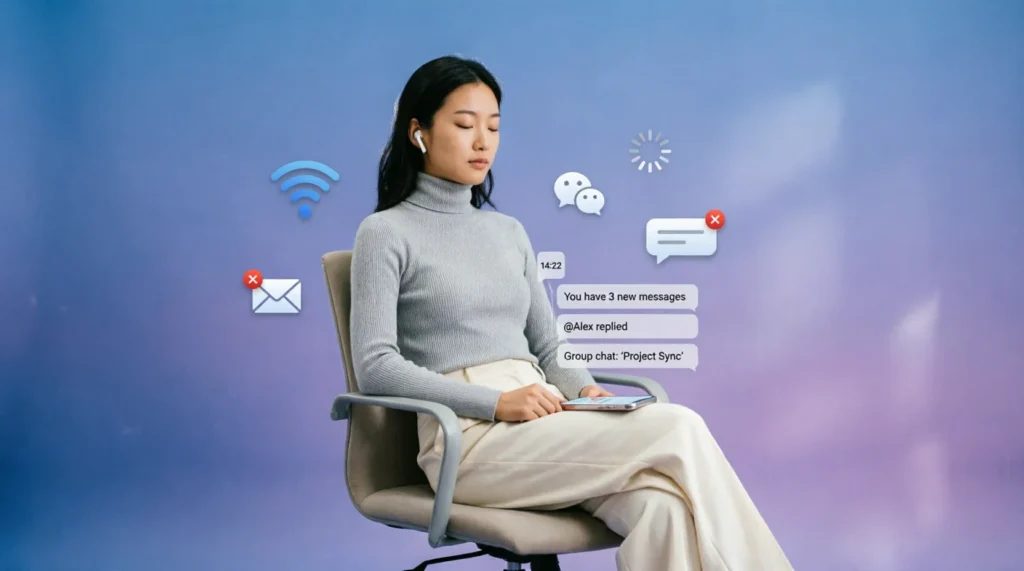
DTTM stands for “Don’t Talk To Me.”
It is an internet abbreviation commonly used in texting and online communication. Instead of typing the full phrase, people shorten it to DTTM to save time and make messages quicker.
In everyday conversations, DTTM usually tells others that the person does not want to communicate right now. The reason can vary. Someone might be tired, annoyed, stressed, busy, embarrassed, or simply looking for some personal space.
For example:
“I just failed my driving test. DTTM today.”
In this case, the person isn’t necessarily angry at everyone. They simply want some time alone.
Is DTTM Slang, an Acronym, or an Abbreviation?
DTTM is both an acronym and a texting abbreviation.
Each letter represents the first letter of a word:
- D = Don’t
- T = Talk
- T = To
- M = Me
Because it is mainly used in casual online conversations, it is also considered internet slang.
What Does DTTM Mean in Everyday Chat?
In regular texting, DTTM often means:
- Leave me alone for now
- I don’t feel like talking
- I’m upset
- I’m having a bad day
- I need some space
The tone depends on the conversation and the relationship between the people involved.
Where People Use DTTM
DTTM appears across many digital platforms where quick communication is common.
TikTok
On TikTok, people often use DTTM in captions after sharing an emotional video, embarrassing moment, or frustrating experience.
Example:
“Just watched the season finale. DTTM.”
The phrase shows they are emotionally affected and don’t want to discuss it immediately.
Snapchat
Snapchat users frequently use DTTM in stories or direct messages.
Someone might post:
“Worst day ever. DTTM.”
Friends usually understand that the person needs some space.
Instagram users may include DTTM in captions, notes, stories, or comments.
It’s often used after sharing disappointing news or a stressful experience.
In WhatsApp chats, DTTM is commonly used between friends and family members.
For example:
“I’m really tired after work. DTTM tonight.”
SMS Text Messages
Traditional text messaging remains one of the most common places for DTTM.
Because SMS messages are often short, abbreviations like DTTM fit naturally into conversations.
Real Chat Examples
Here are ten realistic examples showing how DTTM might appear in everyday texting.
Example 1
A: Did your interview go well?
B: Not really.
A: Oh no.
B: DTTM for a bit.
Example 2
A: Why aren’t you answering?
B: Long day.
A: Everything okay?
B: DTTM tonight.
Example 3
A: Did you watch the ending?
B: Yes.
A: Thoughts?
B: DTTM. I’m still processing it.
Example 4
A: Ready for the party?
B: Nope.
A: Why?
B: Bad mood. DTTM.
Example 5
A: How was your exam?
B: Terrible.
A: Sorry to hear that.
B: DTTM until tomorrow.
Example 6
A: Want to play online?
B: Not today.
A: Everything alright?
B: Just tired. DTTM.
Example 7
A: Why did you leave the group chat?
B: Too much drama.
A: Fair enough.
B: DTTM for now.
Example 8
A: Did you get the results?
B: Yeah.
A: Good news?
B: No. DTTM.
Example 9
A: What’s wrong?
B: Family issues.
A: Need anything?
B: Thanks, but DTTM today.
Example 10
A: Movie night?
B: Maybe later.
A: Busy?
B: Kind of. DTTM for a few hours.
How to Reply When Someone Says “DTTM”
The best response depends on the situation and your relationship with the person.
Funny Replies
- “Okay, I’ll schedule my talking for tomorrow.”
- “Understood. Activating silent mode.”
- “Mission accepted. I’ll disappear now.”
Casual Replies
- “No problem.”
- “Got it.”
- “Talk later.”
Friendly Replies
- “Take your time.”
- “I’m here if you need me.”
- “Hope things get better soon.”
Neutral Replies
- “Understood.”
- “Okay.”
- “Message me when you’re ready.”
Is DTTM Rude or Offensive?
DTTM is generally not considered offensive.
However, it can sound rude depending on how it’s used and the context of the conversation.
When It Is Not Rude
It is usually acceptable when someone:
- Needs personal space
- Feels overwhelmed
- Is having a difficult day
- Wants time to think
When It Can Sound Rude
It may come across as rude if:
- Used aggressively
- Sent without explanation
- Directed at someone during an argument
For example:
“DTTM.”
By itself, this can sound harsh.
Is It Safe to Use?
Yes. DTTM is generally safe for casual conversations among friends, family members, and social media users.
Is It Appropriate at School or Work?
In professional settings, it’s usually better to use complete sentences.
Instead of DTTM, you might say:
“I’m unavailable right now.”
or
“I’ll respond later.”
These options sound more professional and respectful.
Who Uses This Term?
DTTM is mostly used by younger internet users, but it is understood by people of many ages.
Gen Z Usage
Gen Z users frequently use abbreviations like DTTM because they prefer fast communication.
The phrase fits naturally into texting culture where short messages are common.
Teenagers
Teenagers often use DTTM on:
- TikTok
- Snapchat
- Group chats
Young Adults
College students and young professionals also use it in casual conversations.
Common Platforms
The term appears most often on:
- TikTok
- Snapchat
- SMS messaging
How Often Does It Appear Online?
DTTM is less common than abbreviations like IDK or BRB, but it still appears regularly in social media posts and personal conversations.
Its popularity tends to increase when users share emotional or frustrating experiences.
Origin of the Term
The exact origin of DTTM is somewhat unclear.
Like many internet abbreviations, it likely developed naturally as people looked for faster ways to communicate online.
Internet Culture Influence
Texting culture has created thousands of abbreviations over the years.
Examples include:
- LOL
- BRB
- IDK
- IMO
- TBH
DTTM follows the same pattern by shortening a common phrase into four letters.
Is the Origin Known?
There is no widely accepted source that can be credited with inventing DTTM.
Most evidence suggests it emerged gradually through online messaging and social media use.
Comparison Table
| Term | Meaning | Type | Usage | Popularity |
|---|---|---|---|---|
| DTTM | Don’t Talk To Me | Acronym | Indicates wanting space or silence | Medium |
| IDK | I Don’t Know | Acronym | Expressing uncertainty | Very High |
| IDC | I Don’t Care | Acronym | Showing indifference | High |
| IMO | In My Opinion | Acronym | Sharing personal views | High |
| BRB | Be Right Back | Acronym | Temporarily leaving a conversation | Very High |
Real World Usage Example
Imagine a student who just received disappointing exam results.
Friends immediately start messaging and asking what happened.
The student feels frustrated and doesn’t want to discuss it yet, so they post a Snapchat story saying:
“Bad day. DTTM.”
The message isn’t meant to be rude. It simply tells others that they need some time alone before talking about the situation.
This is one of the most common ways the abbreviation is used online.
Psychological Meaning Behind DTTM
DTTM is not just a random abbreviation. In many cases, it reflects a person’s emotional state.
When someone types “DTTM,” they are often trying to create distance quickly without explaining too much. It can be a sign of emotional overload.
People may use it when they feel:
- mentally drained
- overstimulated by messages
- emotionally sensitive
- frustrated but not ready to explain
Instead of writing long explanations, they use a short code-like phrase to shut down communication temporarily.
In modern texting culture, this kind of shorthand is common because people prefer fast emotional expression rather than detailed conversations.
Emotional Tone Variations of DTTM
Even though the meaning stays the same, the emotional tone of DTTM can change depending on how it is used.
Soft Tone
When someone uses it gently:
“DTTM for a while, just need rest.”
This usually means they are not upset at anyone.
Neutral Tone
When used without emotion:
“DTTM.”
This is simple and direct. It may feel distant but not aggressive.
Strong Tone
When someone is frustrated:
“DTTM. Stop texting me.”
This version can feel harsh and may indicate anger or irritation.
Understanding tone is important because the same abbreviation can mean very different things in different conversations.
Digital Communication and Why Abbreviations Like DTTM Exist
Internet slang like DTTM exists because online communication has changed how people talk.
In fast-moving chats, users want:
- shorter messages
- quicker emotional expression
- less typing effort
- instant clarity
Instead of writing full sentences like:
“I am not in the mood to talk right now.”
people shorten it to:
DTTM
This trend is part of a larger digital behavior where efficiency is more important than formality.
DTTM in Group Chats vs Private Chats
The meaning of DTTM can shift slightly depending on where it is used.
In Private Chats
In one-on-one conversations, DTTM feels more personal. It directly signals that the sender wants space from a specific person.
Example:
- “DTTM today, talk later.”
In Group Chats
In group chats, it is often less personal and more general. The person may be overwhelmed by multiple messages.
Example:
- “Too much going on here. DTTM.”
In groups, it usually doesn’t target anyone specifically.
Misunderstandings Around DTTM
Because DTTM is short and lacks tone indicators, it can sometimes lead to misunderstandings.
Some common confusion includes:
Thinking It’s Angry
People may assume the sender is mad, even if they are just tired.
Thinking It’s Personal
In reality, it often has nothing to do with the receiver.
Thinking It’s Permanent
DTTM is usually temporary, not a long-term decision.
A better interpretation is:
“I need a break right now, not forever.”
Similar Slang Terms to DTTM
Understanding similar abbreviations helps clarify meaning in conversations.
Common Alternatives
- GTG – Got To Go
- BRB – Be Right Back
- TTYL – Talk To You Later
- IDC – I Don’t Care
- IDK – I Don’t Know
Emotional Alternatives
- “I need space”
- “Not in the mood”
- “Talk later”
- “Offline for a bit”
DTTM belongs more to emotional or boundary-setting slang compared to basic conversation shortcuts.
How Context Changes the Meaning of DTTM
Context plays the biggest role in understanding DTTM correctly.
Positive Context
If someone shares good news first:
“Just got promoted. DTTM to process this.”
It may mean excitement and reflection.
Negative Context
If used after an argument:
“DTTM. I’m done talking.”
It may indicate frustration or emotional distance.
Neutral Context
If used during a busy day:
“Work is crazy. DTTM.”
It simply means lack of availability.
Should You Use DTTM in Conversations?
Using DTTM depends on your communication style and relationship with others.
When It’s Okay
- chatting with close friends
- informal social media posts
- casual texting situations
When to Avoid It
- professional emails
- school assignments
- workplace communication
- formal discussions
In formal settings, it’s always better to write full sentences to avoid confusion.
Impact of DTTM on Modern Texting Culture
DTTM reflects a bigger shift in how people communicate online.
Today’s messaging culture is:
- fast
- emotional
- shorthand-heavy
- context-driven
Instead of explaining feelings in detail, people often use short signals like DTTM to manage boundaries.
This shows how digital language is evolving toward minimal expression with maximum meaning.
How DTTM Differs from Other “Leave Me Alone” Phrases
Not all phrases that express space have the same intensity.
DTTM
Short, direct, emotionally neutral or slightly strong.
“I need a break”
More polite and emotionally controlled.
“Don’t message me”
Stronger and more serious.
“I’m busy”
Neutral and often temporary.
DTTM sits in the middle — not always rude, but definitely firm.
Future of Terms Like DTTM
Internet slang changes quickly. Some abbreviations disappear while others evolve.
DTTM may:
- become less common as full phrases return
- evolve into new versions
- remain niche among certain users
- be replaced by emojis or reactions
For example, instead of typing DTTM, people might simply send a “silent emoji” or status update in the future.
DTTM in Digital Etiquette (Online Behavior Rules)
In online communication, there is something called digital etiquette — basically the unspoken rules of how people should behave while texting or chatting.
DTTM plays an interesting role here because it directly affects how others respond.
When someone uses DTTM, it is often considered a boundary-setting signal. It tells others:
- Do not continue messaging
- Do not expect quick replies
- Respect personal time
However, in digital etiquette, the way you deliver this message matters. A soft version is more socially accepted than a harsh one.
For example:
- “DTTM, I’ll text later 🙂” feels polite
- “DTTM.” feels abrupt
So even in casual texting, tone awareness is important.
How Different Cultures Interpret DTTM
Not all internet slang is understood the same way across cultures. DTTM can be interpreted differently depending on communication habits.
Western Online Users
In many Western countries, short expressions like DTTM are seen as normal and informal. People are used to direct digital communication.
South Asian Users
In countries like Pakistan, India, and Bangladesh, abbreviations like DTTM may feel unusual or unclear to some users, especially older generations.
They might interpret it as:
- rude
- confusing
- incomplete communication
Global Internet Users
Among frequent social media users worldwide, DTTM is generally understood as a temporary “do not disturb” signal rather than a serious statement.
DTTM and Mental Health Awareness Online
Interestingly, slang like DTTM is sometimes linked to mental health conversations online.
People use it when they feel:
- emotionally overwhelmed
- socially exhausted
- mentally drained from constant messaging
It can act as a digital boundary tool, helping users step away from social pressure.
However, mental health experts often suggest that while such expressions help in the short term, clearer communication like:
“I need a break from my phone”
can reduce misunderstandings and emotional confusion.
The Role of Emojis with DTTM
Many users combine DTTM with emojis to adjust tone.
Softening Emojis
- 🙂
- 😌
- 🙏
Example:
“DTTM for now 🙂”
This makes the message feel less harsh.
Strong Emojis
- 😤
- 😡
- 💔
Example:
“DTTM 😤”
This can increase emotional intensity.
No Emoji Usage
Just:
“DTTM”
This is the most neutral but can sometimes feel cold or distant.
DTTM in Influencer and Creator Content
Content creators sometimes use DTTM in captions, livestream chats, or comments.
They may use it when:
- they are overwhelmed by audience interaction
- they want to pause engagement
- they are reacting emotionally to content
For example:
- After a viral video goes wrong
- After reading negative comments
- During burnout periods
It helps them signal temporary withdrawal without writing long explanations.
Why DTTM Became Popular in Short-Form Content Era
The rise of TikTok, Reels, and Snapchat has strongly influenced slang like DTTM.
Short-form platforms encourage:
- quick emotional reactions
- short captions
- minimal typing
- instant expression
Because attention spans are shorter, users prefer compact emotional signals.
DTTM fits perfectly into this environment because it delivers a full message in just four letters.
Situations Where You Should Avoid Using DTTM
Even though it is common online, there are situations where DTTM is not appropriate.
During Serious Conversations
If someone is discussing important issues, using DTTM may seem dismissive.
With New Acquaintances
People who don’t know you well may misinterpret it as rude or unfriendly.
In Conflict Resolution
Using DTTM during an argument can make the situation worse because it shuts down communication.
In these cases, a more complete explanation works better.
DTTM and Relationship Communication
In friendships or romantic relationships, DTTM can be sensitive.
It may be understood as:
- needing space
- emotional distancing
- temporary withdrawal
Healthy relationships usually require balance. While taking space is normal, communication helps avoid misunderstandings.
Instead of only saying DTTM, people often add context like:
“DTTM, just need some time to think.”
This reduces confusion and emotional tension.
Evolution of DTTM Over Time
Like many internet slang terms, DTTM may not stay popular forever.
Its evolution could include:
Phase 1: Early Usage
Used mostly in private texting among young users.
Phase 2: Social Media Expansion
Becomes common in captions, comments, and posts.
Phase 3: Decline or Transformation
Gets replaced by newer slang or emojis.
Phase 4: Legacy Usage
Still understood but used less frequently.
Internet language changes quickly, so DTTM may evolve or fade depending on trends.
How Algorithms Influence Slang Like DTTM
Social media algorithms indirectly affect slang popularity.
When users engage with emotional posts containing terms like DTTM:
- the content gets more visibility
- others learn the term
- usage spreads faster
This creates a cycle where emotional slang grows quickly across platforms.
Final Thought on Digital Expression Like DTTM
DTTM shows how modern communication is becoming more compressed and emotionally direct.
Instead of long explanations, people prefer short signals that express:
- mood
- boundaries
- availability
It reflects how language adapts to fast digital lifestyles, where clarity and speed matter more than formality.
Frequently Asked Questions
What does DTTM mean in text messages?
DTTM usually means “Don’t Talk To Me.” It tells others that the person does not want to chat right now.
What does DTTM mean on TikTok?
On TikTok, DTTM often appears in captions or comments when someone feels emotional, upset, or overwhelmed.
Is DTTM slang?
Yes. DTTM is considered internet slang and a texting abbreviation.
Is DTTM rude or offensive?
Usually no. However, it can sound rude if used aggressively or during an argument.
How should you reply to DTTM?
A respectful response is usually best. Examples include “Take your time,” “No problem,” or “Message me later.”
Conclusion:
DTTM means Don’t Talk To Me and is commonly used in texting social media posts and messaging apps when someone wants space or does not feel like talking.
You’ll most often see it on TikTok Snapchat Instagram WhatsApp and SMS conversations. In most situations it is not offensive but the tone can sometimes feel abrupt depending on the context.
If someone sends DTTM the best approach is usually to respect their space and wait until they are ready to continue the conversation. While it’s perfectly fine in casual chats it’s generally best to avoid using it in professional or formal settings.
Discover more post:
| https://grmmarlab.com/psh-meaning-in-text/ |
| https://grmmarlab.com/what-does-gs-mean/ |
| https://grmmarlab.com/lcr-meaning-in-text/ |