OOTD means Outfit of the Day in text. People use it when sharing what they are wearing on a specific day especially on social media like TikTok Instagram Snapchat and in casual chats.
It is one of the most popular fashion related internet slang terms. You will often see it in captions stories, and messages where someone shows their daily look or outfit.
People usually search for ootd meaning in text because they see it online and don’t understand what it stands for. It looks like a random abbreviation at first, but it has a simple meaning.
In this article, you’ll learn exactly what OOTD means where it is used, real chat examples and how to reply when someone uses it.
OOTD Meaning in Text
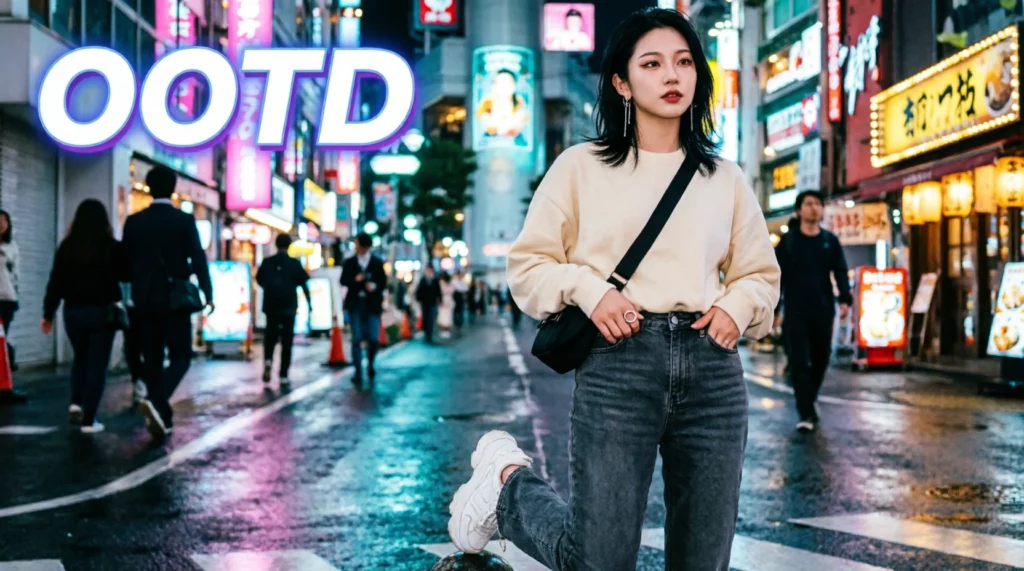
OOTD stands for “Outfit of the Day.”
It is not a formal word. It is internet slang and an abbreviation used mostly in casual conversations and social media posts.
In everyday chat, it simply means:
- What someone is wearing today
- A stylish outfit someone wants to show
- A daily fashion look (often shared online)
For example:
- “Here’s my OOTD” means “Here’s what I’m wearing today”
It is not offensive, not serious, and not complicated. It is just a fun way to talk about clothes and fashion.
Most people use it when they want to show confidence in their outfit or get opinions from friends online.
Where People Use OOTD
OOTD is widely used across social platforms. Let’s break it down simply.
TikTok
On TikTok, people post short videos showing their outfit transitions, fashion ideas, or daily looks using hashtags like:
- #OOTD
- #OOTDCheck
- #OutfitOfTheDay
Creators often style different outfits and show them in a “before and after” or “get ready with me” video.
Snapchat
On Snapchat, users send snaps of their mirror selfies or full-body outfit pictures and caption them “OOTD.”
It is usually casual and sent to close friends.
Instagram is one of the biggest platforms for OOTD posts.
People upload:
- Mirror selfies
- Street photos
- Fashion shoots
Captions often include:
- “OOTD check”
- “My OOTD today”
- “Simple OOTD vibes”
On WhatsApp, OOTD is used in chats with friends or family.
Example:
- “Rate my OOTD 😄”
- “New OOTD for dinner”
It is more private and informal here.
SMS (Text Messages)
In SMS or normal texting, it still means the same thing but is less common today.
Example:
- “I bought a new dress. OOTD tomorrow!”
Real Chat Examples
Here are 10 realistic conversations to help you understand how OOTD is used in real life.
1
A: What are you wearing today?
B: Wait, I’ll send my OOTD 😎
A: Okay, show me!
2
A: You look so good today!
B: Thanks! Just my simple OOTD
3
A: Going out tonight?
B: Yes, need to fix my OOTD first
4
Send pic
Here’s my OOTD 😄
5
That dress is nice
Thanks, it’s my OOTD today
6
Why so dressed up?
Just feeling good about my OOTD
Example 7
A: Post on Instagram!
B: Already posted my OOTD 😂
Example 8
A: Rate my outfit
B: Solid 10/10 OOTD 🔥
Example 9
A: What’s your style today?
B: Chill vibe OOTD
Example 10
A: New clothes?
B: Yeah, new OOTD energy
How to Reply When Someone Says “OOTD”
If someone sends you their OOTD, you can reply in different ways depending on your mood.
Funny Replies
- “Okay fashion icon 😭🔥”
- “Runway ready I see!”
- “Who allowed you to look this good?”
Casual Replies
- “Nice outfit!”
- “Looks good on you”
- “Simple but clean”
Friendly Replies
- “You look amazing today!”
- “That style suits you!”
- “Love this OOTD!”
Neutral Replies
- “Okay 👍”
- “Not bad”
- “Got it”
These replies depend on your relationship with the person and how close you are.
Is OOTD Rude or Offensive?
No, OOTD is not rude or offensive at all.
It is a completely safe and friendly internet slang term.
Here’s what you should know:
- It is used in fashion context only
- It has no negative meaning
- It is not insulting or harmful
At School or Work
- At school: Totally fine among friends
- At work: Only appropriate in casual or creative environments
In formal workplaces, people usually avoid slang like OOTD unless it’s related to fashion, marketing, or social media content.
Who Uses This Term?
OOTD is mostly used by younger internet users.
Age Groups
- Teenagers (13–19): Very common
- Young adults (20–30): Extremely common
- Older adults: Less common but still used in fashion spaces
Gen Z Usage
Gen Z uses OOTD a lot because:
- They are active on TikTok and Instagram
- They enjoy fashion trends
- They like sharing daily lifestyle content
Common Platforms
- TikTok
- Snapchat
- Pinterest (less chat, more visual use)
How Often It Appears Online
OOTD is very common in:
- Hashtags
- Influencer posts
- Fashion reels
- Daily selfies
It is one of the most recognizable fashion slang terms online.
Origin of the Term
OOTD started in early internet fashion culture.
Where It Came From
- It likely became popular on fashion blogs in the early 2010s
- Bloggers used it to label daily outfit posts
- Later it spread to Instagram and Tumblr
Internet Culture Influence
As social media grew, people started using short abbreviations:
- OOTD (Outfit of the Day)
- MOTD (Makeup of the Day)
Is the Origin Clear?
Yes, the meaning is clear and widely accepted. It is not mysterious or confusing.
It simply comes from online fashion sharing culture.
Comparison Table
| Term | Meaning | Type | Usage | Popularity |
|---|---|---|---|---|
| OOTD | Outfit of the Day | Slang / Abbreviation | Fashion posts, selfies | Very High |
| IDK | I Don’t Know | Slang | Casual texting | Very High |
| IDC | I Don’t Care | Slang | Chat reactions | High |
| IMO | In My Opinion | Abbreviation | Opinions online | High |
| BRB | Be Right Back | Chat slang | Temporary absence | Medium |
Real World Usage Example
Imagine a student getting ready for college.
She wears a new outfit and feels confident. Before leaving, she takes a mirror selfie and sends it to her friend with the message:
“New OOTD today 😍”
Her friend replies:
“Wow, you look amazing!”
Later, she posts the same picture on Instagram with the caption:
“OOTD vibes ✨”
This is a simple real-life use of the term. It helps people share their daily fashion style in a quick and trendy way.
OOTD vs Other Fashion Slang Terms
OOTD is often confused with other similar abbreviations used in fashion and social media. Even though they may look alike, each one has a slightly different purpose.
OOTN (Outfit of the Night)
This is used when someone shares what they are wearing for an evening event or party. It focuses more on night-time fashion rather than daily wear.
Example:
- “My OOTN for the dinner party ✨”
FIT CHECK
“Fit check” is more casual and trendy. It is often used in TikTok videos where people quickly show their outfit in motion.
Example:
- “Fit check before I leave 😎”
GRWM (Get Ready With Me)
This is a content format where creators show their full preparation process, including makeup, outfit, and accessories.
Example:
- “GRWM for college + my OOTD reveal”
STYLE CHECK
Used when someone wants feedback on their fashion choice.
Example:
- “Style check, how’s my outfit?”
These terms often overlap with OOTD, but OOTD remains the most widely recognized and universal one.
Why OOTD Became So Popular Online
The rise of OOTD is closely linked to social media culture and visual storytelling.
Rise of Visual Platforms
Apps like Instagram and TikTok made fashion sharing easy. Instead of writing long descriptions, people could simply post a picture and label it OOTD.
Influence of Influencers
Fashion influencers helped normalize the term. They used it in captions to describe their daily outfits, which encouraged followers to do the same.
Short Attention Span Culture
People prefer short labels instead of full sentences. “OOTD” is faster, cleaner, and more aesthetic than writing “this is what I’m wearing today.”
Hashtag Culture
Hashtags boosted visibility:
- #OOTD
- #OOTDStyle
- #OOTDFashion
These tags helped posts reach wider audiences globally.
Emotional Meaning Behind OOTD Posts
Although OOTD looks like just a fashion term, it often carries emotional expression.
Confidence Expression
People post OOTD when they feel confident about their appearance.
Self-Identity
Outfits are a way of expressing personality. OOTD becomes a visual identity statement.
Mood Reflection
Some users match their outfit to their mood:
- Bright colors = happy mood
- Dark tones = serious mood
- Casual wear = relaxed mood
Validation Seeking
Sometimes users post OOTD to get likes, comments, or compliments from friends.
OOTD in Influencer Culture
Influencers play a big role in shaping how OOTD is used today.
Fashion Branding
Many influencers build their personal brand around daily outfit posts.
Sponsored Content
Brands often collaborate with creators for OOTD-style posts to promote clothing.
Aesthetic Presentation
Influencers focus on:
- lighting
- background
- posing
- color coordination
This turns a simple OOTD post into professional-looking content.
How OOTD Changed Over Time
The meaning of OOTD has stayed the same, but its usage has evolved.
Early Internet Era
It started as simple blog captions showing daily outfits.
Instagram Era
It became a hashtag trend with aesthetic photos.
TikTok Era
It transformed into video content with transitions and styling clips.
Current Trend
Now OOTD is part of lifestyle branding, not just fashion sharing.
People don’t just show outfits — they show an entire vibe or lifestyle.
Mistakes People Make When Using OOTD
Even though OOTD is simple, people sometimes misuse it.
Overusing It in Captions
Using OOTD in every post can make content feel repetitive or less creative.
Using It for Non-Outfit Posts
Sometimes people mistakenly tag random pictures as OOTD, which confuses viewers.
Misunderstanding the Context
OOTD is not used for describing other items like gadgets or food.
Example mistake:
- ❌ “My OOTD is my new phone”
- ✔ “OOTD only refers to clothing”
Cultural Impact of OOTD
OOTD has influenced modern digital culture more than many people realize.
Fashion Democratization
Anyone can share their style, not just celebrities or models.
Global Fashion Exchange
People from different countries share outfits, creating cross-cultural fashion trends.
Everyday Aesthetic Culture
Even casual clothing is now styled for social media presentation.
Rise of Micro-Trends
OOTD posts often introduce new fashion trends quickly across the internet.
Psychological Side of OOTD Sharing
There is also a psychological reason why people enjoy posting OOTD.
Social Approval
Likes and comments create a sense of validation.
Self-Expression
People feel they are sharing a part of their personality.
Confidence Boost
Positive feedback can increase self-esteem.
Community Feeling
Fashion communities form around shared styles and aesthetics.
OOTD in Professional Fashion Industry
OOTD is not just casual slang anymore — it also appears in professional fashion spaces.
Fashion Marketing
Brands use OOTD posts in campaigns to promote clothing lines.
Digital Lookbooks
OOTD posts act like mini catalogs for fashion inspiration.
Styling Portfolios
Stylists and models use OOTD content to showcase their work online.
Future of OOTD Trend
OOTD is not fading anytime soon, but it is evolving.
More Video Content
Short-form videos will continue replacing static photos.
AI-Enhanced Fashion Filters
Virtual try-ons may become part of OOTD posts.
Personalized Style Feeds
Algorithms will suggest outfit inspiration based on past OOTD content.
Virtual Fashion (Metaverse Influence)
Digital outfits may also be shared as OOTD in virtual spaces.
Quick Summary of Key Insight
OOTD is more than just an abbreviation. It represents:
- daily fashion sharing
- personal expression
- social media identity
- modern internet culture
It started as a simple fashion label and became a global digital trend.
Popular Aesthetic Styles Linked With OOTD Posts
OOTD is not just about clothes — it is often tied to specific fashion aesthetics that are trending online.
Clean Girl Aesthetic
This style focuses on minimal, neat, and polished outfits. Neutral colors like beige, white, and soft browns are common.
Example vibe:
- simple jewelry
- sleek hair
- soft makeup
- basic fitted outfits
Streetwear Aesthetic
Streetwear OOTDs are more bold and urban. Oversized hoodies, sneakers, and caps are common.
Example vibe:
- graphic tees
- baggy jeans
- sneakers
- layered outfits
Soft Girl / Aesthetic Style
This style includes pastel colors and cute accessories.
Example vibe:
- pink tones
- skirts and cardigans
- soft lighting selfies
Old Money Style
A classy and elegant fashion trend often shown in OOTD posts.
Example vibe:
- neutral luxury outfits
- blazers
- minimal branding
Each aesthetic changes how people present their OOTD online.
OOTD Caption Writing Styles (What People Actually Type)
Captions play a big role in OOTD posts. Most people don’t just write “OOTD” — they style it differently.
Minimal Captions
- “OOTD ✨”
- “today’s look”
- “simple fit”
Mood-Based Captions
- “feeling good in this OOTD”
- “soft vibes today”
- “main character energy”
Trendy Captions
- “fit check before I leave”
- “she’s that OOTD girl”
- “this outfit ate”
Engagement Captions
- “rate my OOTD 1–10”
- “which look is better?”
- “should I wear this again?”
These captions help boost likes, comments, and interaction.
Hashtag Strategy for OOTD Posts
Hashtags help OOTD posts reach more people online.
Common Hashtags
- #OOTD
- #OutfitOfTheDay
- #StyleInspo
Trend-Based Hashtags
- #OOTDFashion
- #OOTDCheck
- #DailyOutfit
Aesthetic Hashtags
- #CleanGirl
- #StreetwearStyle
- #SoftAesthetic
Why Hashtags Matter
- They improve visibility
- Help content reach new audiences
- Connect users with fashion communities
On TikTok and Instagram, hashtags are a key growth tool for OOTD content.
OOTD Photography Tips People Use
Most OOTD posts are carefully styled photos, not random selfies.
Lighting Matters
Natural light is preferred because it shows outfit colors clearly.
Mirror Shots
Mirror selfies are the most common type of OOTD photo.
Background Choice
Clean backgrounds make outfits stand out more.
Posing Style
Common poses include:
- casual standing pose
- walking shots
- phone-cover face pose
Editing Style
Soft filters or light color correction are often used to match aesthetic trends.
Variations of OOTD You Might See Online
OOTD has inspired many similar abbreviations used in daily posting culture.
OOTW (Outfit of the Week)
Used when people show outfits they wore throughout the week.
OOTM (Outfit of the Month)
Less common, used for monthly fashion highlights.
FITD (Fit of the Day)
A shorter, more modern slang version of OOTD.
#DailyFit
A trending hashtag replacing traditional OOTD in some communities.
These variations show how flexible fashion slang has become online.
How Algorithms Treat OOTD Content
Social media platforms use OOTD posts as engagement-driven content.
High Visual Engagement
OOTD posts often get likes quickly because they are visually appealing.
Save-Worthy Content
Fashion posts are frequently saved by users for inspiration.
Shareability Factor
People share outfit ideas with friends, increasing reach.
Trend Acceleration
When an OOTD style goes viral, platforms push similar content to more users.
This is why fashion content grows faster than many other post types.
OOTD in Online Shopping Culture
OOTD has a strong connection with online shopping behavior.
Outfit Inspiration for Buyers
People often buy clothes after seeing OOTD posts.
Influencer Marketing Impact
Brands use OOTD posts to promote clothing collections.
“Shop the Look” Trend
Some platforms allow users to buy exact items shown in OOTD posts.
Conversion Effect
Aesthetic OOTD posts often turn viewers into customers.
How Brands Use OOTD for Marketing
Fashion brands actively use OOTD content as a marketing strategy.
Influencer Collaborations
Brands send clothes to influencers for OOTD posts.
User-Generated Content
Customers post their own OOTD wearing brand outfits.
Seasonal Campaigns
OOTD posts are used for:
- summer collections
- winter outfits
- festive fashion
Authentic Promotion Style
OOTD feels more natural than traditional ads, so it performs better.
Difference Between Casual OOTD and Aesthetic OOTD
Not all OOTD posts are the same.
Casual OOTD
- simple selfies
- no editing
- personal sharing
Aesthetic OOTD
- planned photoshoot
- styled outfit
- edited visuals
- curated background
Aesthetic OOTD posts are usually more popular online.
OOTD and Online Identity Building
OOTD content often helps people build their online identity.
Personal Branding
Users develop a recognizable fashion style.
Consistency in Posting
Regular OOTD posts create a fashion identity.
Social Perception
People are often remembered for their style through OOTD content.
Digital Personality
Outfits become part of someone’s online “character.”
SEO Insight: Why People Search “OOTD Meaning in Text”
Understanding search behavior helps explain the popularity of this keyword.
Common User Intent
- “What does OOTD mean?”
- “Why is everyone using OOTD?”
- “Is OOTD slang?”
Beginner Confusion
Many users see the term on TikTok or Instagram but don’t understand it.
High Social Media Exposure
The term spreads faster than people can learn its meaning.
Mobile Search Behavior
Most searches come from mobile users while scrolling social apps.
Future Evolution of OOTD Culture
OOTD will continue evolving with technology and fashion trends.
Virtual Fashion Try-Ons
Users may post digital OOTDs using AR filters.
AI Styling Tools
AI could suggest outfits and generate OOTD captions automatically.
Virtual Influencers
Digital influencers will post OOTD content in virtual environments.
More Personalized Feeds
Social platforms will show OOTD content based on user style preferences.
Common Misinterpretations of OOTD
Many beginners misunderstand OOTD because it looks like random letters at first.
Thinking It Refers to a Brand
Some people assume OOTD is a clothing brand name. In reality, it is not a brand at all.
Confusing It With Hashtag Only
Others think OOTD is only a hashtag. While hashtags are popular, the term itself is used in normal texting too.
Assuming It Means “Best Outfit”
OOTD does not always mean the outfit is perfect. It simply refers to any outfit worn that day.
Overthinking the Meaning
Many users search the term because they think it has a deep or hidden meaning, but it is very simple.
Regional and Global Use of OOTD
OOTD is a global internet term, but its usage style can vary by region.
United States & UK
Used mostly in influencer culture and fashion blogging.
South Asia (Pakistan, India, Bangladesh)
Common among young social media users, especially on Instagram and TikTok.
Middle East
Popular in lifestyle and luxury fashion content.
Southeast Asia
Very active OOTD culture with strong TikTok fashion communities.
Global Consistency
Despite regional differences, the meaning remains the same everywhere.
Role of Filters and Editing in OOTD Posts
Modern OOTD content is often enhanced using editing tools.
Color Correction
Users adjust brightness and tone to match aesthetic themes.
Beauty Filters
Face smoothing and enhancement filters are commonly applied.
Background Blur
Helps focus attention on the outfit rather than surroundings.
AI Editing Tools
New apps can generate professional-looking OOTD photos automatically.
How OOTD Influences Fashion Trends
OOTD posts often shape what becomes popular in fashion.
Viral Outfit Patterns
When one OOTD style goes viral, thousands copy it.
Seasonal Trends
Summer and winter OOTDs introduce seasonal fashion shifts.
Micro Trends
Small fashion details like accessories or shoes become trending.
Fast Fashion Growth
Brands quickly produce similar outfits based on viral OOTDs.
OOTD in Meme Culture
OOTD is also used humorously online.
Funny Outfit Posts
People exaggerate simple outfits for comedic effect.
“Bad OOTD” Memes
Users intentionally post chaotic outfits for jokes.
Relatable Humor
Memes about “not having an OOTD today” are common.
Irony Posting
Some users post messy outfits while labeling them OOTD for humor.
Psychological Pressure Behind OOTD Culture
While OOTD is fun, it also creates subtle social pressure.
Appearance Pressure
Users may feel they need to look perfect daily.
Comparison Effect
Seeing influencers’ OOTDs can lead to self-comparison.
Content Stress
Some people feel obligated to post daily outfits.
Balanced Usage
Experts suggest using OOTD for fun, not validation.
OOTD and Gender Differences in Usage
OOTD is used by all genders, but usage style may differ.
Female Users
More active in aesthetic and styled OOTD posts.
Male Users
Often focus on streetwear, sneakers, and casual fits.
Unisex Trend Growth
Modern fashion is becoming more gender-neutral in OOTD culture.
Inclusive Fashion Spaces
OOTD has helped make fashion sharing more open for everyone.
Influence of Celebrities on OOTD Trends
Celebrities play a huge role in making OOTD styles go viral.
Red Carpet Looks
Celebrity outfits often become trending OOTD inspiration.
Airport Fashion
“Airport OOTD” is a popular celebrity trend.
Paparazzi Culture
Candid celebrity outfits often get labeled as OOTD online.
Fan Replication
Fans recreate celebrity OOTD styles for social media posts.
OOTD in Digital Communities and Forums
OOTD is not limited to social apps; it also exists in online communities.
Fashion Forums
Users share daily outfits for feedback.
Reddit Fashion Threads
People post OOTD for styling advice.
Discord Style Groups
Private communities discuss outfit inspiration.
Pinterest Boards
OOTD images are saved as fashion references.
Seasonal Impact on OOTD Content
OOTD posts change significantly with seasons.
Summer OOTD
Light fabrics, bright colors, and casual wear dominate.
Winter OOTD
Layered clothing, jackets, and boots become popular.
Spring Style
Soft colors and floral outfits are common.
Autumn Fashion
Earth tones and cozy outfits trend heavily.
Digital Evolution: From Photos to Short Videos
OOTD content is shifting formats over time.
Static Photos (Old Trend)
Early OOTD posts were simple images.
Carousel Posts
Multiple outfit angles in one post.
Short Videos
Now dominant on TikTok and Instagram Reels.
Interactive Content
Polls like “Which OOTD is better?” increase engagement.
Educational Use of OOTD in Fashion Learning
OOTD is also used in fashion education spaces.
Styling Practice
Students experiment with outfit combinations.
Portfolio Building
Fashion learners showcase styling skills.
Trend Analysis
OOTD posts help study modern fashion trends.
Visual Learning
Beginners learn outfit coordination visually.
Accessibility of OOTD Fashion Trends
Not all OOTD trends require expensive clothing.
Budget Fashion OOTD
Affordable outfits can still look stylish.
Thrift Fashion
Second-hand clothing is often featured in OOTD posts.
DIY Styling
People mix and match existing clothes creatively.
Fast Fashion vs Sustainable Style
OOTD culture now includes eco-friendly fashion discussions.
Social Validation Cycle in OOTD Posting
OOTD content often creates a feedback loop online.
Post Creation
User shares outfit.
Engagement Response
Likes and comments come in.
Reinforcement
Positive feedback encourages more posts.
Habit Formation
OOTD posting becomes a daily routine for some users.
Future Social Role of OOTD Content
OOTD will continue evolving as social media changes.
More Personalization
Feeds will show outfits based on personal taste.
AI Outfit Suggestions
Apps may generate daily OOTD ideas automatically.
Virtual Fashion Identity
Digital avatars may also have OOTD posts.
Integration With Shopping
Users may buy outfits directly from OOTD posts.
Frequently Asked Questions
What does ootd mean in text messages?
OOTD means “Outfit of the Day.” It refers to what someone is wearing that day.
What does OOTD mean on TikTok?
On TikTok, OOTD is used in fashion videos showing daily outfits or styling ideas.
Is OOTD slang?
Yes, OOTD is internet slang and an abbreviation used in casual communication.
Is OOTD rude or offensive?
No, it is completely safe and has no rude or negative meaning.
How should you reply to OOTD?
You can reply with compliments like “You look great!” or casual responses like “Nice outfit!”
Conclusion:
OOTD simply means Outfit of the Day and it is used to describe what someone is wearing. It is very popular on social media platforms like TikTok Instagram and Snapchat.
People use it when sharing fashion looks, posting selfies or talking about their daily style. It is casual friendly and widely accepted.
However it is best used in informal conversations. In professional or formal settings it may not always be appropriate.
Understanding terms like OOTD helps you stay updated with modern internet slang and social media culture.
Discover more post:
| https://grmmarlab.com/what-does-gs-mean/ |
| https://grmmarlab.com/lcr-meaning-in-text/ |
| https://grmmarlab.com/ppl-l-meaning/ |

Alex is a language enthusiast and content writer with over 5 years of experience in grammar, writing, and digital content creation. He specializes in simplifying complex grammar concepts, language rules, and writing techniques into easy-to-understand guides for students, professionals, and everyday learners. Over the years, Alex has researched and written extensively on English grammar, punctuation, vocabulary, and communication skills.