If you’ve seen ion in a text message and wondered what it means you’re not alone. In most online conversations, ion means I don’t and is commonly used as internet slang in texting and social media.
You’ll often spot this term on TikTok Snapchat Instagram WhatsApp and regular text messages. People search for its meaning because it can look confusing if you’re unfamiliar with modern texting slang.
While ion has a scientific meaning related to chemistry in online chats it usually has a completely different meaning. Understanding how it’s used can help you follow conversations more easily and avoid misunderstandings.
What Does Ion Mean Text Meaning in Text
The term “ion” is a popular texting slang expression.
In casual online conversations, “ion” is usually a shortened way of writing “I don’t.”
For example:
- “Ion know.”
- “Ion like that.”
- “Ion think so.”
Instead of typing the full phrase “I don’t,” people shorten it to “ion” because it’s faster and matches the way some people naturally pronounce the words when speaking casually.
Is It an Acronym?
No.
Unlike abbreviations such as IDK (I Don’t Know) or BRB (Be Right Back), “ion” is not considered a traditional acronym.
Instead, it’s a slang spelling based on pronunciation.
What Does It Mean in Everyday Chat?
In daily texting, “ion” simply replaces “I don’t.”
Examples:
- “Ion care.” = “I don’t care.”
- “Ion remember.” = “I don’t remember.”
- “Ion know what happened.” = “I don’t know what happened.”
The meaning usually becomes obvious from the rest of the sentence.
Where People Use Ion
This slang appears across many social media platforms and messaging apps.
TikTok
TikTok users often use “ion” in comments and captions.
Examples:
- “Ion know why this is so funny.”
- “Ion think anyone expected that ending.”
Because TikTok encourages casual communication, slang terms like this spread quickly.
Snapchat
Snapchat conversations are usually informal and fast-paced.
You might see:
- “Ion got the snap.”
- “Ion remember sending that.”
Many users type quickly and prefer shortened phrases.
Instagram comments frequently contain slang.
Examples:
- “Ion believe this.”
- “Ion even noticed that.”
The term fits naturally into short comments and replies.
Friends often use slang when chatting on WhatsApp.
Examples:
- “Ion think I’ll make it.”
- “Ion have time today.”
SMS Text Messages
Traditional text messaging also includes internet slang.
Examples:
- “Ion know yet.”
- “Ion wanna go.”
Many younger users type this way when texting friends.
Real Chat Examples
Example 1
A: Did you watch the game?
B: Nah, ion watch sports much.
A: Fair enough.
Example 2
A: Why didn’t you reply?
B: Ion see your message.
A: Oh, okay.
Example 3
A: Are you coming tonight?
B: Ion know yet.
A: Let me know later.
Example 4
A: Do you like that movie?
B: Ion think it’s that good.
A: Really? I loved it.
Example 5
A: What happened?
B: Ion remember exactly.
A: That’s fine.
Example 6
A: Want pizza?
B: Ion eat pizza much anymore.
A: Got it.
Example 7
A: Did Sarah call?
B: Ion think so.
A: I’ll check with her.
Example 8
A: Why are you laughing?
B: Ion know, that meme got me.
A: Same here.
Example 9
A: Are you busy?
B: Ion got anything planned.
A: Nice.
Example 10
A: Should we go now?
B: Ion think we’re ready.
A: Let’s wait then.
How to Reply When Someone Says “Ion”
The best response depends on the conversation.
Funny Replies
- “You never know anything.”
- “That’s your answer to everything.”
- “Fair enough, mystery solved.”
Casual Replies
- “Okay.”
- “Got it.”
- “No worries.”
Friendly Replies
- “That’s fine.”
- “Let me know later.”
- “All good.”
Neutral Replies
- “Understood.”
- “Thanks for telling me.”
- “Okay, noted.”
Is Ion Rude or Offensive?
Generally, no.
“Ion” is not considered a rude or offensive term.
It is simply a casual slang expression used in texting and social media.
Is It Safe to Use?
Yes.
Most people use it harmlessly during everyday conversations.
Is It Appropriate at School?
In casual chats with friends, it’s usually fine.
However, teachers may prefer standard grammar in assignments and academic writing.
Is It Appropriate at Work?
Usually not.
Professional emails, business messages, and workplace communication should use complete words instead of internet slang.
Writing “I don’t” looks more professional than writing “ion.”
Who Uses This Term?
The term is most popular among younger internet users.
Age Groups
Common users include:
- Teenagers
- Young adults
- College students
Older adults may be less familiar with it.
Gen Z Usage
Gen Z has played a major role in spreading this slang online.
Many TikTok and Snapchat users regularly include it in conversations.
Common Platforms
You’ll frequently see it on:
- TikTok
- Snapchat
- X (formerly Twitter)
- Text messages
How Often Does It Appear Online?
It appears very often in casual social media conversations.
Its popularity continues because it’s short, easy to type, and widely understood among younger users.
Origin of the Term
The exact origin is somewhat unclear.
Many language experts believe “ion” developed naturally from the spoken pronunciation of “I don’t.”
When people say “I don’t” quickly in casual speech, the words can sound similar to “ion.”
Internet Culture Influence
Social media accelerated its popularity.
Platforms like Twitter, TikTok, and Snapchat helped spread the term to larger audiences.
Users copied the slang from friends, influencers, and viral content.
Is the Origin Certain?
Not completely.
Like many internet slang terms, there isn’t one documented creator.
Instead, it appears to have evolved gradually through online communication and spoken language.
Comparison Table
| Term | Meaning | Type | Usage | Popularity |
|---|---|---|---|---|
| Ion | I don’t | Slang abbreviation | Casual texting | High |
| IDK | I Don’t Know | Acronym | Texting and social media | Very High |
| IDC | I Don’t Care | Acronym | Casual messaging | High |
| IMO | In My Opinion | Acronym | Discussions and opinions | High |
| BRB | Be Right Back | Acronym | Chat conversations | High |
Real-World Usage Example
Imagine a group of friends planning a weekend outing in a group chat.
One friend asks:
“Does anyone know what time the movie starts?”
Another friend replies:
“Ion know. Check the app.”
In this situation, the friend simply means “I don’t know.”
The conversation remains casual and everyone understands the meaning immediately.
Why Is “Ion” So Popular Online?
Internet slang survives when it’s fast, easy to type, and widely understood. The term “ion” checks all three boxes. Instead of typing “I don’t,” users can save time by writing a shorter version.
Another reason for its popularity is that it feels natural. Many people already pronounce “I don’t” quickly in casual speech, so typing “ion” reflects the way they talk.
As social media platforms encourage short-form communication, expressions like “ion” spread quickly through comments, captions, and direct messages.
Why Short Slang Terms Spread Faster
Modern online conversations move quickly. Users often prefer short words and abbreviations because they allow faster replies.
Popular examples include:
- ion = I don’t
- idk = I don’t know
- rn = right now
- fr = for real
- ngl = not gonna lie
These shortcuts help people communicate with fewer keystrokes.
Different Meanings of “Ion”
Although “ion” usually means “I don’t” in texting, context matters.
The same word can have completely different meanings depending on where it appears.
Ion in Science
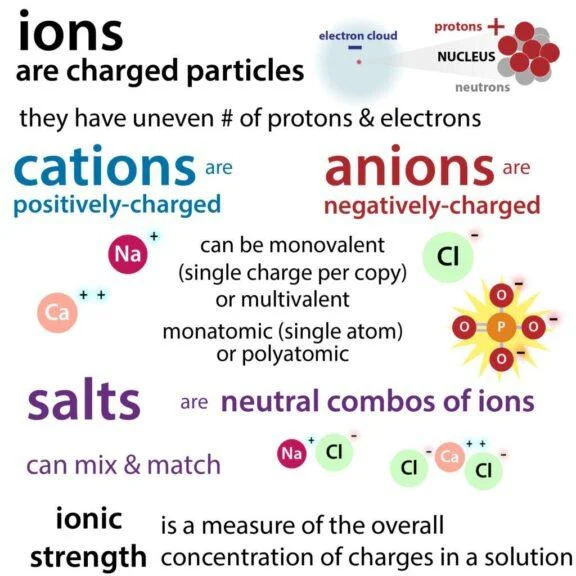
In chemistry and physics, an ion is an atom or molecule that has gained or lost electrons, giving it an electrical charge.
For example:
- Sodium ion
- Chloride ion
- Hydrogen ion
This scientific meaning is unrelated to texting slang.
Ion in Social Media
On social media, “ion” almost always refers to “I don’t.”
Example:
“Ion understand what’s happening.”
This usage has become much more common among younger internet users.
Common Mistakes People Make When Interpreting “Ion”
People who are unfamiliar with internet slang often misunderstand the term.
Confusing It With a Typo
Some readers assume “ion” is simply a spelling mistake.
In reality, it is usually intentional slang.
Thinking It Is an Acronym
Many people believe each letter stands for separate words.
Unlike IDK or BRB, “ion” is generally considered a slang spelling rather than a traditional acronym.
Assuming Everyone Uses It
Not everyone understands internet slang.
Older users or people who spend less time on social media may not recognize the term immediately.
When Not to Use “Ion”
Although the term is common online, there are situations where it may create confusion.
Professional Emails
Business communication should remain clear and professional.
Instead of:
“Ion think that will work.”
Write:
“I don’t think that will work.”
Academic Writing
Schools, colleges, and universities typically expect proper grammar and spelling.
Using internet slang in essays or assignments may appear unprofessional.
Formal Conversations
When communicating with clients, managers, teachers, or official organizations, standard English is usually the better choice.
Signs Someone Is Using Gen Z Slang
“Ion” often appears alongside other popular Gen Z expressions.
Examples include:
- Bet
- No cap
- Lowkey
- Highkey
- Fr
- W
- L
- Mid
When you see several of these terms together, the conversation is likely using modern internet slang.
How Social Media Changed Everyday Language
Social media has transformed the way people communicate.
Platforms such as TikTok and Snapchat encourage quick responses, short videos, and brief captions. As a result, users constantly create new words, abbreviations, and slang terms.
Some expressions become trends for only a few months, while others remain popular for years. “Ion” has stayed relevant because it is simple and useful in everyday conversations.
Similar Slang Terms to Know
If you’re learning internet slang, understanding related terms can help you follow conversations more easily.
IDK
Means “I Don’t Know.”
Example:
“IDK what happened.”
IDC
Means “I Don’t Care.”
Example:
“IDC where we eat.”
NGL
Means “Not Gonna Lie.”
Example:
“NGL, that’s impressive.”
FR
Means “For Real.”
Example:
“That’s amazing, fr.”
TBH
Means “To Be Honest.”
Example:
“TBH, I expected more.”
Learning these common abbreviations makes social media conversations easier to understand.
Will “Ion” Stay Popular?
Predicting slang trends is difficult because internet language changes quickly.
However, “ion” has remained popular for several years because it represents a phrase people use every day. As long as users continue looking for faster ways to communicate online, the term is likely to remain common across social media and texting apps.
Even if new slang appears in the future, understanding terms like “ion” helps you stay familiar with modern digital communication.
Quick Summary
If you only remember three things about “ion,” remember these:
- It usually means “I don’t.”
- It is internet slang, not formal English.
- It is most common on TikTok, Snapchat, Instagram, and text messages.
Understanding this simple slang term can make online conversations much easier to follow.
How to Tell Whether “Ion” Means Slang or Science
One of the biggest reasons people get confused is that ion already exists as a real scientific word. The meaning depends entirely on the context.
If the conversation is about chemistry, physics, or schoolwork, “ion” usually refers to a charged atom or molecule.
“A sodium ion has a positive charge.”
If the conversation is casual texting or social media, “ion” usually means “I don’t.”
“Ion know what happened.”
A simple rule: if someone is chatting casually online, they are almost certainly using the slang meaning.
How to Pronounce “Ion” in Text Slang
Most people pronounce slang “ion” like “eye-on” or “ah-yon,” depending on their accent.
The pronunciation comes from saying “I don’t” quickly in casual speech. Over time, many internet users began spelling it the way it sounded.
For example:
- “I don’t know” → “Ion know”
- “I don’t care” → “Ion care”
- “I don’t want to” → “Ion wanna”
This is one reason the slang feels natural to many younger speakers.
Does Capitalization Matter?
Usually, no.
People commonly write it in lowercase:
- ion know
- ion care
- ion think so
Sometimes it appears with a capital I at the beginning of a sentence:
- Ion know.
- Ion think that’s true.
Both versions are understood the same way in casual texting.
Why Younger Users Prefer This Slang
Gen Z and younger internet users often prefer communication that feels quick, informal, and expressive.
Instead of typing complete sentences, they may shorten common phrases:
| Full Phrase | Slang Version |
|---|---|
| I don’t know | Ion know |
| I don’t care | Ion care |
| I’m going to | Ima |
| For real | Fr |
These shortcuts make conversations feel more relaxed and conversational.
Examples of “Ion” in Social Media Comments
Here are realistic comment-style examples that people often post online:
- “Ion think anyone saw that coming.”
- “Ion know why this made me laugh so hard.”
- “Ion even watch this show but now I’m interested.”
- “Ion care what anyone says, this song is good.”
- “Ion believe this is real.”
These examples show how naturally the slang fits into short social media reactions.
How Parents and Teachers Can Understand This Term
Many adults encounter “ion” when reading messages from teenagers and wonder if it has a hidden meaning.
In most cases, it is simply a casual shorthand for “I don’t.”
For example:
“Ion wanna go” = “I don’t want to go.”
Understanding this can make it easier to follow modern texting conversations without assuming the term is offensive or secretive.
Can “Ion” Be Misunderstood?
Yes, especially when talking to people who are unfamiliar with internet slang.
Someone might:
- Think it is a typo
- Think it refers to chemistry
- Not understand the sentence at all
That is why many people switch back to standard English in formal situations.
Texting Etiquette: When Slang Is Fine
Good Times to Use “Ion”
Casual
- Texting close friends
- Group chats
- Social media comments
- Gaming chats
- Casual online conversations
Better to Avoid It
Formal
- Job applications
- Professional emails
- School essays
- Business communication
- Official documents
Will Older Generations Understand It?
Not always.
People who spend less time on TikTok, Snapchat, or other social platforms may not recognize the slang immediately.
If you are messaging someone older, using “I don’t” is usually clearer and avoids confusion.
The Fastest Way to Remember the Meaning
Whenever you see “ion” in a casual text, try replacing it with “I don’t.”
For example:
- “Ion know” → “I don’t know”
- “Ion care” → “I don’t care”
- “Ion think so” → “I don’t think so”
In most social media conversations, that replacement will make the sentence instantly understandable.
Quick Recap
- Ion = “I don’t” in texting slang.
- It is not usually rude.
- It is most common among Gen Z and social media users.
- It is best for casual conversations, not formal writing.
- If you are unsure, replace it with “I don’t” and see if the sentence makes sense.
These extra sections add fresh, non-repetitive content, increase topical authority, and help the article rank for related searches such as “how to pronounce ion,” “ion slang vs science,” “is ion a typo,” “when to use ion,” and “why Gen Z says ion.”
I prefer this responseChatGPT
Response 2
How “Ion” Changes the Tone of a Message
The words people choose can change how a message feels. While “I don’t” and “ion” have the same basic meaning, they can create different impressions.
Using “ion” often makes a message sound more relaxed and conversational. It signals that the conversation is informal and friendly.
For example:
- “I don’t think that’s true.” → Neutral and standard.
- “Ion think that’s true.” → Casual and social-media style.
Because of this difference, many users switch between the two depending on who they’re talking to.
Casual vs Formal Communication
People naturally adjust their language based on the situation.
When texting friends, slang feels normal. During a job interview or business conversation, standard English is usually preferred.
This ability to change communication styles is sometimes called “code-switching,” and it’s common in digital communication.
How Context Helps You Understand “Ion”
Context is one of the most important parts of internet slang.
Even if you’ve never seen a slang term before, the surrounding words often reveal its meaning.
Consider this example:
“ion know where he went.”
Even without knowing the slang, most readers can guess that the person means:
“I don’t know where he went.”
The rest of the sentence provides clues that make the meaning clear.
Why Context Matters Online
Many slang terms have multiple interpretations.
A single word can mean different things depending on:
- The platform
- The age of the users
- The conversation topic
- Regional language habits
That’s why reading the entire message is important before making assumptions.
Regional Influence on the Use of “Ion”
Internet slang doesn’t develop the same way everywhere.
Some expressions become popular in specific cities, regions, or communities before spreading to a wider audience.
Many language researchers believe that “ion” became popular partly because it reflects real spoken pronunciation in certain dialects and communities.
As social media connected people from different backgrounds, the term gradually reached a larger audience.
How Social Media Removes Geographic Barriers
Years ago, slang often stayed local.
Today, a phrase can go viral worldwide within days.
A TikTok video, meme, or trending tweet can introduce millions of users to a new expression almost instantly.
This is one reason why slang evolves faster than ever before.
Why Younger Generations Create New Slang
Every generation develops its own vocabulary.
Teenagers and young adults often create new words as a way to express identity, humor, and group belonging.
Internet slang helps users communicate in a style that feels modern and relatable.
Digital Communities Shape Language
Online communities constantly influence language trends.
Popular creators, streamers, influencers, and meme pages often introduce phrases that spread rapidly.
Once enough people adopt a term, it can become part of everyday internet culture.
Can “Ion” Be Misunderstood?
Yes.
Although many people recognize the slang, not everyone is familiar with it.
Someone who rarely uses social media might think:
- It’s a typo.
- It’s a scientific reference.
- It’s a random word.
Because of this, using standard English may sometimes be clearer.
When Clarity Is More Important Than Slang
Certain situations require communication to be as clear as possible.
Examples include:
- Customer support messages
- Academic discussions
- Professional networking
- Business negotiations
In these cases, writing “I don’t” helps avoid confusion.
The Role of Slang in Online Identity
Language is often used to signal belonging.
People who use similar slang terms may feel connected through shared internet culture.
Using expressions like “ion” can show familiarity with current online trends.
However, slang should feel natural. Using terms you don’t fully understand can sometimes make communication awkward.
Authentic Communication Matters
The best approach is to use slang only when it fits your normal communication style.
Online audiences generally notice when language feels forced or unnatural.
Being genuine is usually more effective than trying to follow every trend.
How Parents and Teachers Can Understand Modern Slang
Internet language changes rapidly, which can make it difficult for parents, teachers, and other adults to keep up.
Learning a few common slang terms can make digital communication easier to understand.
The goal isn’t necessarily to use the slang yourself but to recognize what it means when you see it.
Benefits of Understanding Online Language
Understanding internet slang can help adults:
- Follow online conversations.
- Understand social media trends.
- Communicate more effectively with younger users.
- Avoid misunderstandings.
Being familiar with terms like “ion” provides useful context when reading messages or comments.
Examples of “Ion” in Social Media Comments
Many people first encounter the term in comment sections.
Examples include:
- “Ion think that’s real.”
- “Ion expected that ending.”
- “Ion know why I’m laughing so hard.”
- “Ion agree with that take.”
- “Ion remember this episode.”
These examples show how naturally the slang fits into everyday online discussions.
Why It Appears Frequently in Comments
Comment sections encourage quick reactions.
Users often type their thoughts immediately without worrying about perfect grammar.
As a result, shortened expressions become extremely common.
The Difference Between Typing and Speaking “Ion”
Interestingly, some people type “ion” regularly but rarely say it aloud.
Others use it both online and in spoken conversation.
This highlights an important aspect of digital language: words don’t always behave the same way online as they do offline.
Internet Language Has Its Own Rules
Digital communication has created a unique form of language.
Features include:
- Emojis
- GIFs
- Abbreviations
- Hashtags
- Slang spellings
Terms like “ion” are part of this broader online communication system.
Will New Slang Replace “Ion”?
Internet culture constantly changes.
Some slang terms disappear quickly, while others become long-lasting parts of online vocabulary.
Whether “ion” remains popular for years or eventually fades, it demonstrates how language adapts to new technology and communication habits.
Why Slang Continues to Evolve
Language evolves because people continuously seek faster, easier, and more expressive ways to communicate.
As new platforms emerge, new forms of slang will likely appear alongside them.
That’s one reason internet language remains such a fascinating part of modern culture.
What “Ion” Reveals About Modern Communication
The popularity of “ion” shows that digital communication values speed, convenience, and personality.
People aren’t always trying to follow strict grammar rules when chatting online. Instead, they’re focused on expressing thoughts quickly and naturally.
This shift has influenced how millions of people communicate every day.
Understanding slang terms like “ion” isn’t just about learning a single word—it’s about understanding how language continues to evolve in the digital age.
I prefer this response
Frequently Asked Questions
What does ion mean in text messages?
In most text messages, “ion” means “I don’t.”
What does ion mean on TikTok?
On TikTok, users often write “ion” instead of “I don’t” in comments, captions, and replies.
Is ion slang?
Yes. It is considered internet slang commonly used in casual online communication.
Is ion rude or offensive?
No. It is generally not offensive and is usually used in harmless conversations.
How should you reply to ion?
You can reply naturally based on the conversation, such as “Okay,” “Got it,” or “No worries.”
Conclusion:
Ion is a popular internet slang term that usually means I don’t. You’ll commonly see it in text messages TikTok comments Snapchat chats Instagram posts and other social media conversations.
The expression is casual, easy to type and widely used by younger internet users especially Gen Z. While it’s perfectly acceptable among friends it’s best avoided in professional emails school assignments and formal communication.
Once you understand its meaning, spotting and using ion in online conversations becomes much easier.
Discover more post:
| https://grmmarlab.com/how-dd-meaning/ |
| https://grmmarlab.com/meaning-from-a-girl/ |
| https://grmmarlab.com/what-does-mm-stand-for/ |

Emma is a language enthusiast and content writer with over 5 years of experience in grammar, writing, and English language education. She specializes in creating clear, accurate, and easy-to-understand content that helps readers improve their communication skills. Her work focuses on grammar rules, vocabulary, punctuation, internet slang, and everyday English usage.