XD means laughter or something very funny in text messages and online conversations. The letters form a sideways laughing face with the X representing closed eyes and the D representing a big smile.
You may see XD on TikTok Snapchat Instagram Discord WhatsApp gaming chats and regular text messages. It has been part of internet culture for many years and is still used by many people today.
People often search for the meaning of XD because they receive it in a message see it in comments or notice it in social media conversations and want to understand what it means.
If you’ve ever wondered why someone replied with “XD instead of using an emoji this guide explains everything you need to know.
XD Meaning in Text
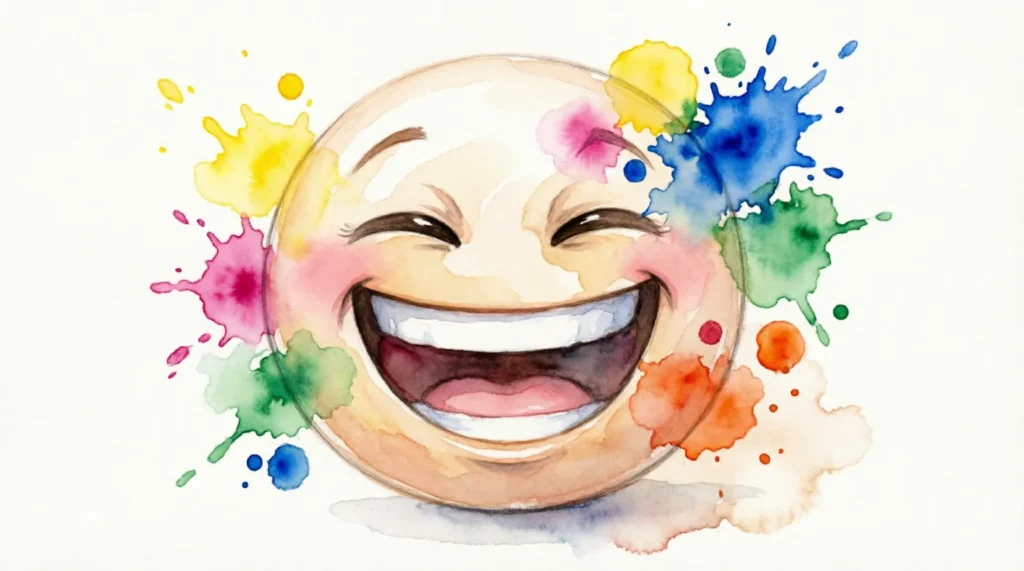
XD is an internet slang expression that represents laughter, amusement, or finding something funny.
Unlike many texting abbreviations, XD is not technically an acronym. It does not stand for a phrase or sentence. Instead, it is a text-based emoticon.
When viewed sideways, XD looks like a laughing face:
- X = tightly closed eyes from laughing
- D = a wide open smiling mouth
People use XD when something is hilarious, silly, entertaining, or unexpectedly funny.
For example:
“I just walked into the wrong classroom XD”
In this example, the sender is laughing at their own mistake.
In everyday texting, XD works similarly to:
- LOL
- Haha
- LMAO
- 😂
The exact meaning depends on the context, but it almost always indicates laughter or amusement.
Where People Use XD
TikTok
On TikTok, XD often appears in comments when users react to funny videos.
Someone might write:
“That ending caught me off guard XD”
It helps show that they found the content amusing.
Snapchat
Snapchat users frequently send XD during casual conversations with friends.
For example:
“You actually did that? XD”
This shows playful laughter.
Instagram users may comment XD on memes, reels, and funny photos.
It is often used as a quick reaction without writing a longer response.
Friends and family sometimes use XD in WhatsApp chats to express laughter.
Example:
“Your new haircut surprised me XD”
The tone is usually lighthearted and friendly.
SMS Text Messages
Although emojis are more common today, many people still use XD in standard text messages.
It remains popular among users who enjoy classic internet slang.
Real Chat Examples
Example 1
A: I accidentally liked a photo from 2018.
B: No way XD
A: I panicked and closed the app immediately.
Example 2
A: I forgot my own phone number.
B: That’s impressive XD
A: I know, right?
Example 3
A: My cat stole my sandwich.
B: Seriously? XD
A: She looked very proud of herself.
Example 4
A: I wore mismatched shoes today.
B: Nobody noticed? XD
A: Thankfully not.
Example 5
A: I sent the message to the wrong group.
B: That’s awkward XD
A: Extremely awkward.
Example 6
A: I spent ten minutes looking for my glasses.
B: Where were they? XD
A: On my head.
Example 7
A: I waved at someone who wasn’t waving at me.
B: Classic XD
A: It was painful.
Example 8
A: My alarm never went off.
B: Monday strikes again XD
A: Exactly.
Example 9
A: I called my teacher “mom.”
B: XD that’s rough.
A: Everyone heard it.
Example 10
A: I tried cooking and burned toast.
B: Just toast? XD
A: And the eggs.
How to Reply When Someone Says “XD”
There is no single correct response. Your reply depends on the conversation.
Funny Replies
- Stop laughing at me XD
- You’re making it worse XD
- I knew you’d find that funny.
- Laugh all you want.
Casual Replies
- Haha, I know.
- Right?
- Glad you liked it.
- Pretty funny, honestly.
Friendly Replies
- Thanks for laughing with me.
- It was a funny moment.
- I couldn’t stop laughing either.
- Happy it made you smile.
Neutral Replies
- Understood.
- That’s fair.
- True.
- Good point.
Is XD Rude or Offensive?
In most situations, XD is not rude or offensive.
It is generally considered a friendly and harmless way to show laughter.
However, context matters.
If someone shares bad news or a serious topic and another person responds with XD, it may seem insensitive or disrespectful.
In casual conversations among friends, XD is usually perfectly acceptable.
Is It Safe to Use?
Yes. XD is generally safe to use in personal chats, social media comments, gaming communities, and informal conversations.
Is It Appropriate at School?
Many students use XD when texting friends. It is usually fine in casual conversations.
Is It Appropriate at Work?
Professional workplaces typically prefer more formal communication.
Using XD with close coworkers may be acceptable in casual chats, but it is usually best avoided in professional emails or business messages.
Who Uses This Term?
XD has been used by internet users for decades.
Age Groups
People of different ages recognize XD, but usage varies.
Common users include:
- Teenagers
- Young adults
- Online gamers
- Social media users
Gen Z Usage
Gen Z understands XD, although many younger users prefer emojis such as 😂, 😭, or 💀.
Still, XD continues to appear in online conversations and gaming communities.
Common Platforms
You can find XD on:
- TikTok
- Snapchat
- Discord
- Gaming chats
- SMS messages
How Often Does It Appear Online?
While not as dominant as it was in earlier internet culture, XD still appears regularly across social media and messaging platforms.
Many users continue to use it for nostalgia or personal preference.
Origin of the Term
XD originated during the early years of internet messaging and online chat rooms.
Before smartphones and modern emoji keyboards became common, users relied on keyboard characters to express emotions.
Text emoticons became extremely popular because they provided a simple way to show facial expressions.
Examples included:
- 🙂
- 😉
- XD
The exact person who created XD is unknown.
Like many internet slang terms, it spread organically through forums, instant messaging services, online games, and chat rooms.
Over time, XD became one of the most recognizable symbols for laughter on the internet.
Its popularity was heavily influenced by internet culture and early social networking communities.
Comparison Table
| Term | Meaning | Type | Usage | Popularity |
|---|---|---|---|---|
| XD | Laughing face or amusement | Emoticon | Funny situations | High |
| IDK | I Don’t Know | Acronym | Expressing uncertainty | Very High |
| IDC | I Don’t Care | Acronym | Showing indifference | High |
| IMO | In My Opinion | Acronym | Sharing opinions | High |
| BRB | Be Right Back | Acronym | Temporary absence | High |
Real World Usage Example
Imagine a group of friends chatting in a WhatsApp group.
One friend shares a photo showing that they accidentally wore two different socks to school.
Another friend responds:
“How did you not notice that? XD”
The response communicates laughter and amusement without needing a long explanation.
This is one of the most common ways XD is used in everyday online communication.
Different Meanings of XD Depending on Context
Although XD usually means laughter, the exact meaning can change slightly depending on the conversation.
For example, it can express:
- Genuine laughter
- Playful teasing
- Mild embarrassment
- Friendly sarcasm
- Excitement about something funny
Consider these examples:
- “I forgot my homework again XD” → Embarrassed laughter
- “You actually believed that? XD” → Playful teasing
- “We won the game XD” → Excited happiness
This flexibility is one reason XD has remained popular for years.
Why Do People Use XD Instead of Emojis?
Modern smartphones offer hundreds of emojis, yet many people still type XD.
Some reasons include:
Faster Typing
Typing XD only requires two characters and can be quicker than opening an emoji menu.
Internet Nostalgia
Many long-time internet users grew up using text emoticons before emojis became common.
Personal Style
Some users simply prefer the appearance of XD because it feels more expressive in certain situations.
Universal Recognition
Most internet users instantly understand the meaning of XD regardless of platform.
XD vs LOL: What’s the Difference?
Both XD and LOL express laughter, but they are used differently.
| Feature | XD | LOL |
|---|---|---|
| Type | Emoticon | Acronym |
| Meaning | Laughing face | Laugh Out Loud |
| Visual Expression | Yes | No |
| Tone | Playful | General laughter |
| Common Use | Casual chats | Casual and professional chats |
Someone might type:
“That was hilarious LOL”
or
“That was hilarious XD”
Both mean the person found something funny, but XD often feels more expressive.
XD vs 😂 Emoji
Many people compare XD with the laughing emoji.
XD
- Text-based expression
- Popular in internet culture
- Often used by gamers and long-time internet users
😂 Emoji
- Visual emoji
- Common on social media
- Widely used across all age groups
Both communicate laughter, but the style is different.
Can XD Be Used Flirtatiously?
Sometimes.
When used in conversations between people who like each other, XD can create a playful and relaxed tone.
For example:
“I can’t believe you remembered that XD”
In this situation, XD helps make the message feel warm and friendly.
However, XD itself is not a flirting term. The surrounding conversation determines whether it feels romantic.
Common Mistakes People Make When Using XD
Using It During Serious Conversations
Responding with XD during discussions about important or emotional topics can appear insensitive.
Overusing It
Adding XD to every message can make conversations feel repetitive.
Misunderstanding the Tone
Sometimes people mistake playful laughter for sarcasm. Context helps determine the intended meaning.
Using It in Formal Communication
Professional emails, academic papers, and official business messages are generally not suitable places for XD.
Is XD Still Popular in 2026?
Yes, although its popularity has evolved.
Many younger users now rely heavily on emojis and newer slang terms. However, XD continues to appear in:
- Gaming communities
- Discord servers
- Online forums
- Social media comments
- Group chats
Its long history gives it a nostalgic appeal that keeps it relevant.
What Emotions Can XD Express?
Most people associate XD with laughter, but it can communicate several emotions.
These include:
- Happiness
- Excitement
- Amusement
- Playfulness
- Friendly teasing
- Lighthearted embarrassment
The surrounding message usually reveals the specific emotion.
Variations of XD You May See Online
Internet users often create variations of XD to emphasize stronger emotions.
XDD
Represents bigger laughter than standard XD.
Example:
“That joke was amazing XDD”
XDXD
Used when someone finds something extremely funny.
xD
A lowercase version that carries the same meaning.
XD!!!
Adds excitement and enthusiasm.
Example:
“We finally finished the project XD!!!”
How Gamers Use XD
Gaming communities helped make XD famous.
Players often use it when:
- Someone makes a funny mistake
- A teammate says something amusing
- An unexpected event happens during gameplay
- Friends are joking in voice or text chat
Because gaming culture values quick communication, XD remains common in many multiplayer games.
Should Parents Know What XD Means?
Yes.
XD is generally harmless internet slang that represents laughter.
Unlike some online abbreviations that may have hidden meanings, XD is usually straightforward and family-friendly.
Parents who understand common internet expressions can communicate more effectively with younger users and better understand online conversations.
The Future of XD
Internet language constantly changes.
Some slang terms disappear quickly, while others remain part of online culture for decades.
XD has already survived multiple generations of social media platforms. Even though emojis dominate modern communication, XD continues to be recognized worldwide.
Its simplicity, history, and universal meaning suggest it may remain a familiar part of internet conversations for years to come.
How XD Changed Internet Communication
Before emojis became available on most devices, internet users had limited ways to show emotions in text. This often made messages seem cold or difficult to interpret.
XD helped solve that problem by adding visible emotion to a conversation. Instead of simply writing “that’s funny,” users could quickly show laughter with two characters.
Over time, XD became part of internet language and helped shape the way people communicate online. It demonstrated how users could create emotional expressions using only a keyboard.
Today, many digital communication habits can be traced back to early emoticons like XD.
Situations Where XD Works Best
Not every conversation is the right place for XD. Knowing when to use it can help messages feel natural.
Funny Stories
XD works well when sharing humorous experiences.
Example:
“I spent ten minutes searching for my phone while holding it XD”
Friendly Group Chats
Group conversations among friends often include jokes, memes, and playful comments where XD fits naturally.
Gaming Discussions
Gamers frequently use XD after funny in-game moments or unexpected mistakes.
Meme Reactions
XD is commonly used when reacting to memes, viral videos, or humorous social media content.
Situations Where You Should Avoid XD
While XD is harmless, there are certain situations where it may create confusion or seem inappropriate.
Professional Emails
Business communication usually requires a more formal tone.
Job Applications
Using internet slang during the hiring process may appear unprofessional.
Academic Assignments
School reports, essays, and research papers should avoid informal internet expressions.
Serious Conversations
If someone is discussing a difficult personal issue, XD may appear insensitive even if that was not your intention.
What XD Says About the Tone of a Message
Text messages lack facial expressions and body language.
Because of this, people use symbols like XD to help communicate tone.
When someone includes XD, they often want readers to know that:
- They are joking.
- They are not being serious.
- They found something amusing.
- They want the conversation to remain lighthearted.
Without XD, the same sentence could sometimes be interpreted differently.
For example:
“You actually did that.”
This may sound serious.
But:
“You actually did that XD”
Immediately sounds more playful.
Why XD Became Popular Worldwide
One reason for XD’s success is that it does not rely on a specific language.
People from different countries can recognize the laughing face regardless of their native language.
This universal appeal helped XD spread across:
- North America
- Europe
- Asia
- South America
- Australia
Unlike some slang terms that remain regional, XD became a global internet expression.
How XD Appears in Online Communities
Different online communities use XD in slightly different ways.
Gaming Communities
Often used after funny gameplay moments.
Meme Communities
Used to react to humorous images and jokes.
Fan Communities
Fans may use XD while discussing funny scenes involving celebrities, movies, TV shows, or creators.
Streaming Communities
Viewers sometimes post XD in live chats when something entertaining happens during a stream.
The Psychology Behind Using XD
People naturally seek ways to express emotions when communicating.
In face-to-face conversations, emotions are shown through:
- Smiles
- Laughter
- Facial expressions
- Voice tone
Text removes these signals.
XD acts as a substitute by visually showing amusement. It helps readers understand the emotional intent behind a message.
This can reduce misunderstandings and make conversations feel more personal.
How XD Influenced Later Internet Slang
Many modern online expressions evolved from the same culture that popularized XD.
Examples include:
- LOL
- ROFL
- LMAO
- OMEGALUL
- KEKW
- 😂
- 💀
While each has its own meaning, they all serve a similar purpose: expressing amusement or laughter.
XD helped establish the idea that emotions could be communicated through simple text symbols.
Is XD Considered Old-School Internet Slang?
Many internet users view XD as part of the early internet era.
People who spent time on:
- MSN Messenger
- Yahoo Messenger
- AIM
- Early forums
- Online gaming chats
often remember XD as one of the most common expressions online.
Because of this history, some users see XD as nostalgic or “old-school.”
However, being older does not mean it is obsolete. Many internet veterans still use it regularly.
How Different Generations View XD
Millennials
Many Millennials grew up using XD and continue to recognize it instantly.
Younger internet users often encounter XD through gaming platforms, social media comments, or older online content.
Despite generational differences, the meaning remains largely the same.
Can XD Create Misunderstandings?
Sometimes.
Because text lacks vocal tone, readers may interpret messages differently.
For example:
“Nice job XD”
Could mean:
- Genuine playful praise
- Friendly teasing
- Light sarcasm
The relationship between the people involved usually determines how the message is understood.
When in doubt, adding more context can help avoid confusion.
Most Common Alternatives to XD Today
Although XD remains popular, many users choose newer alternatives.
😂
Represents strong laughter.
😆
Shows excitement and amusement.
😭
Often used online to express laughing so hard that someone is crying.
💀
Common internet slang indicating something is extremely funny.
Haha
A simple and timeless way to express laughter.
Each option communicates amusement, but the tone and style may differ slightly.
Why Some People Still Prefer XD
Even with thousands of available emojis, some users intentionally continue using XD.
Reasons include:
- Habit
- Nostalgia
- Faster typing
- Personal preference
- Gaming culture influence
- Unique visual style
For these users, XD feels more expressive than a standard emoji.
What Internet Experts Say About Text-Based Emoticons
Digital communication researchers often note that emoticons played a major role in the development of online interaction.
Before modern emojis, symbols like XD helped people:
- Express emotions
- Build relationships online
- Reduce misunderstandings
- Create stronger community connections
XD is one of the most recognizable examples of how internet users adapted text communication to feel more human.
Will XD Ever Disappear?
Predicting internet trends is difficult.
Many slang terms disappear after a few years, but XD has remained recognizable for more than two decades.
Its survival comes from three key strengths:
- Simplicity
- Universal meaning
- Strong internet history
Even if its popularity changes over time, XD has already earned a lasting place in internet culture and digital communication histor
Frequently Asked Questions
What does XD mean in text messages?
XD represents laughter or amusement. It looks like a sideways laughing face and is often used when something is funny.
What does XD mean on TikTok?
On TikTok, XD is usually used in comments or messages to show that a video, joke, or situation is funny.
Is XD slang?
Yes. XD is considered internet slang and a text emoticon commonly used in online conversations.
Is XD rude or offensive?
No. XD is generally not rude. However, using it during serious discussions may appear insensitive.
How should you reply to XD?
You can reply with laughter, a joke, a casual response, or continue the conversation naturally.
Conclusion:
XD is a popular internet expression used to show laughter amusement or that something is funny. Unlike many abbreviations it is actually a text emoticon that forms a laughing face when viewed sideways.
People use XD on TikTok Snapchat Instagram WhatsApp Discord gaming platforms and regular text messages. It remains a recognizable part of online culture even though emojis are now more common.
In most situations XD is friendly and harmless. However it is best avoided during serious conversations or formal workplace communication. Understanding its meaning can help you interpret messages correctly and participate more naturally in online conversations.
Discover more post:
| https://grmmarlab.com/ppl-l-meaning/ |
| https://grmmarlab.com/what-is-smh-in-text/ |
| https://grmmarlab.com/what-does-icl-mean-in-slang/ |