TW usually stands for Trigger Warning in text messages and social media conversations. People use it to warn others that upcoming content may contain sensitive or upsetting topics.
You’ll often see TW on TikTok Snapchat Instagram X Reddit and in private text messages. Many users search for this abbreviation because they notice it in captions comments videos or chats and want to understand what it means.
While TW is short and simple its purpose is important. It helps people decide whether they want to continue reading or viewing certain content.
Understanding internet slang like TW can make online communication easier and help you avoid confusion when browsing social media.
TW Meaning in Text
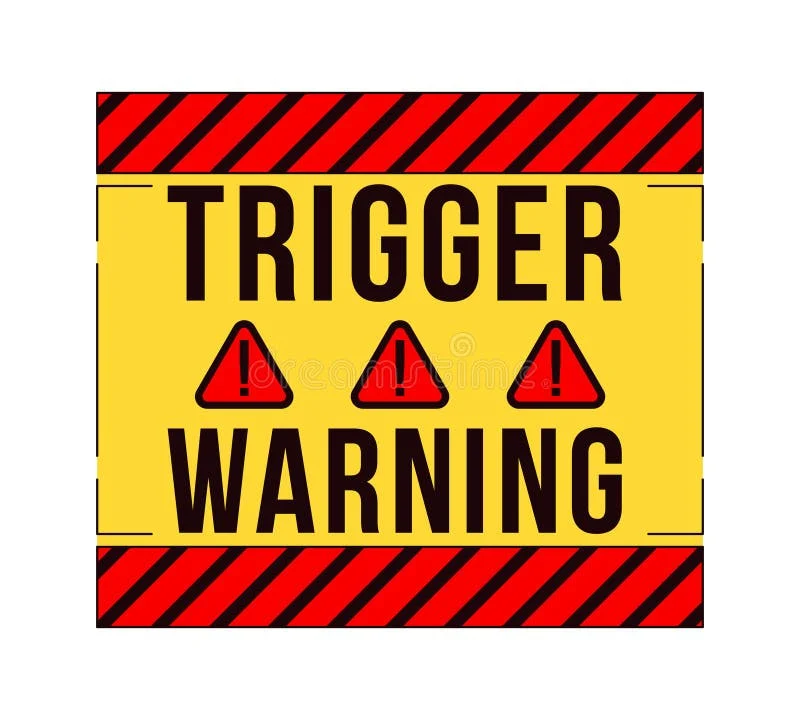
TW stands for Trigger Warning.
It is an abbreviation commonly used online to alert people that a post, message, image, or video may contain content that could be emotionally upsetting or distressing.
Unlike many internet abbreviations that are used for humor or convenience, TW serves a practical purpose. It gives readers a heads-up before they view sensitive material.
In everyday conversations, someone might write:
TW: Violence
or
TW: Graphic Injury
This tells readers what type of content follows.
Is TW Slang, an Acronym, or an Abbreviation?
TW is generally considered an abbreviation or acronym.
Because it is widely used across internet culture, many people also classify it as online slang.
What Does TW Mean in Everyday Chat?
In regular texting, TW often appears before discussing topics such as:
- Violence
- Accidents
- Abuse
- Mental health struggles
- Death
- Trauma-related experiences
The goal is not to shock people but to provide a warning beforehand.
Where People Use TW
TW appears on many online platforms.
TikTok
On TikTok, creators often place TW in captions or text overlays before discussing sensitive subjects.
Example:
TW: Car accident story
This helps viewers decide whether they want to continue watching.
Snapchat
People may add TW before sharing personal stories or emotional experiences in chats or stories.
Instagram users frequently include trigger warnings in post captions, reels, and story slides.
Example:
TW: Discussion of anxiety
In WhatsApp group chats, people sometimes use TW before sending content that could upset others.
SMS
Although less common in regular texting, TW can still appear when discussing serious or emotional topics.
Real Chat Examples
Example 1
A: Did you watch her video?
B: Not yet.
A: TW, it talks about a serious accident.
Example 2
A: I’m sharing my experience today.
B: Okay.
A: TW: Mental health discussion.
Example 3
A: Have you seen the post?
B: No.
A: TW, there’s a graphic image included.
Example 4
A: New story uploaded.
B: What’s it about?
A: TW: Injury and recovery.
Example 5
A: Check this article.
B: Sure.
A: TW for violence.
Example 6
A: I need to talk about something difficult.
B: What’s wrong?
A: TW: Family loss.
Example 7
A: Watch the first slide carefully.
B: Why?
A: TW, it contains emotional content.
Example 8
A: Read my blog post.
B: Okay.
A: TW: Anxiety discussion.
Example 9
A: New documentary recommendation.
B: What’s it about?
A: TW for war footage.
Example 10
A: I posted an update.
B: I’ll read it.
A: TW: Trauma-related topic.
How to Reply When Someone Says “TW”
The best response depends on the conversation.
Funny Replies
- Thanks for the warning, captain.
- Good looking out.
- Appreciate the heads-up.
Casual Replies
- Got it, thanks.
- Thanks for letting me know.
- I’ll keep that in mind.
Friendly Replies
- Thanks for the warning.
- I appreciate that.
- Thanks for being considerate.
Neutral Replies
- Understood.
- Noted.
- Thanks for the information.
- Okay, thanks.
Is TW Rude or Offensive?
No, TW is generally not considered rude or offensive.
In fact, it is often viewed as thoughtful and respectful because it gives people advance notice about potentially upsetting content.
Is It Safe to Use?
Yes.
TW is widely accepted across social media platforms and online communities.
Is It Appropriate at School or Work?
Usually yes.
If you’re discussing sensitive topics in educational or professional settings, using TW can help prepare readers or listeners.
However, it should be used only when relevant. Adding unnecessary trigger warnings can make communication feel excessive.
Who Uses This Term?
TW is used by many different age groups, but it is especially common among younger internet users.
Gen Z Usage
Gen Z frequently uses TW on platforms such as TikTok, Instagram, and X.
Many younger users are familiar with trigger warnings and understand their purpose immediately.
Common Platforms
TW regularly appears on:
- TikTok
- Snapchat
- X
- Discord
- Tumblr
How Often Does It Appear Online?
The abbreviation appears frequently in communities where people discuss personal experiences, social issues, mental health, or emotional topics.
Origin of the Term
The phrase “Trigger Warning” existed before social media became popular.
It originally appeared in online communities and discussion forums where members wanted to warn others about potentially distressing content.
As internet culture evolved, the phrase was shortened to TW for convenience.
Internet Culture Influence
The rise of blogging, forums, Tumblr, Reddit, and later TikTok helped spread the abbreviation worldwide.
Today, TW is recognized across many digital platforms.
Is the Origin Clear?
Yes, the general origin is fairly well understood.
However, there is no single person credited with creating the abbreviation.
Instead, it developed naturally through online communities over time.
Comparison Table
| Term | Meaning | Type | Usage | Popularity |
|---|---|---|---|---|
| TW | Trigger Warning | Abbreviation | Warns about sensitive content | High |
| IDK | I Don’t Know | Acronym | Expressing uncertainty | Very High |
| IDC | I Don’t Care | Acronym | Showing indifference | High |
| IMO | In My Opinion | Acronym | Sharing opinions | High |
| BRB | Be Right Back | Acronym | Temporary absence | Very High |
Real-World Usage Example
Imagine a college student sharing a personal story on Instagram about recovering from a serious accident.
Before explaining the experience, they write:
TW: Injury and hospital discussion
This warning lets followers know the topic may contain emotional details. People who feel uncomfortable with such content can choose not to continue reading.
This is one of the most common real-world uses of TW online.
Why Do People Use TW Online?
The internet allows people to share personal experiences, opinions, news, and stories instantly. Some of that content can be emotionally difficult for certain readers.
Using TW helps create a more considerate online environment. It gives people a chance to decide whether they want to continue viewing content that may remind them of painful experiences or cause discomfort.
For many users, a simple trigger warning demonstrates awareness and respect for different emotional reactions.
Benefits of Using TW
- Helps readers prepare for sensitive topics
- Encourages respectful communication
- Prevents unexpected exposure to disturbing content
- Creates a more supportive online community
- Gives users greater control over what they consume
Different Types of Trigger Warnings
Not all trigger warnings are the same. People often specify the topic so readers know what to expect.
Common examples include:
- TW: Violence
- TW: Blood
- TW: Abuse
- TW: Death
- TW: Self-Harm Discussion
- TW: Eating Disorders
- TW: Trauma
- TW: War Footage
The more specific the warning, the more useful it is for readers.
TW vs Content Warning (CW)
Many people confuse TW and CW because they are used in similar ways.
What Is TW?
TW stands for Trigger Warning and is usually associated with emotionally sensitive topics that may affect some individuals strongly.
What Is CW?
CW stands for Content Warning. It is often broader and may cover any material that people might want advance notice about.
Key Difference
A content warning can apply to many situations, while a trigger warning is often focused on potentially distressing subjects.
Common Mistakes People Make When Using TW
Although TW is simple, it is sometimes used incorrectly.
Using It for Minor Topics
Some users add TW to everyday situations that do not require a warning. This can reduce its effectiveness.
Being Too Vague
Writing only “TW” without explaining the topic may not help readers understand what is coming next.
Placing the Warning Too Late
The warning should appear before the sensitive content, not after it.
TW in Online Communities
Different online communities use TW in different ways.
Gaming Communities
Players sometimes use TW when discussing disturbing storylines, graphic scenes, or emotional topics within games.
Mental Health Communities
Support groups frequently use trigger warnings before conversations involving anxiety, depression, trauma, or recovery experiences.
Educational Communities
Students and educators may include trigger warnings before discussing difficult historical events or sensitive social issues.
Why Some People Appreciate Trigger Warnings
Supporters of trigger warnings believe they provide useful context before difficult discussions.
Many users appreciate having a choice about when and how they engage with emotionally challenging content.
This can be especially helpful when browsing social media unexpectedly during a busy day.
Why Some People Debate Trigger Warnings
Trigger warnings are sometimes discussed and debated online.
Some people feel they are essential for respectful communication, while others believe they are occasionally overused.
Regardless of these differing opinions, TW remains a widely recognized part of internet culture and is commonly used across social media platforms.
Examples of TW in Social Media Captions
Here are some realistic examples of how users include trigger warnings in posts:
- TW: Discussion of grief and loss.
- TW: Graphic medical images ahead.
- TW: Story includes descriptions of violence.
- TW: Mental health experiences discussed below.
- TW: Accident footage in this video.
These examples show how the warning is typically placed at the beginning of content.
Can TW Have Other Meanings?
Yes. Depending on the context, TW may represent different phrases.
Examples include:
- Trigger Warning
- Team Work
- Time Window
- Twin
However, when used on social media or before sensitive content, TW almost always means Trigger Warning.
How to Identify the Correct Meaning
Look at the surrounding conversation.
If someone writes “TW: Violence” or “TW: Sensitive Topic,” the meaning is clearly Trigger Warning.
If the discussion is about work, projects, or scheduling, TW could mean something else.
Should Parents Know What TW Means?
Parents who monitor social media activity may find it useful to understand internet abbreviations.
Knowing what TW means can help parents better understand online conversations and content their children may encounter.
It also provides insight into how modern internet users communicate about sensitive subjects.
How TW Reflects Modern Internet Culture
Internet communication continues to evolve rapidly.
Abbreviations like TW allow users to communicate important information quickly while still being considerate of others.
Its popularity reflects a broader trend toward awareness, accessibility, and responsible content sharing across digital platforms.
Future of TW in Online Communication
TW has been widely used for years and remains common across major social media platforms.
As online communities continue to grow, trigger warnings are likely to remain part of digital communication, particularly in spaces where personal stories, mental health discussions, and sensitive topics are frequently shared.
Whether someone uses TikTok, Instagram, Reddit, Discord, or messaging apps, understanding TW helps them navigate online conversations more confidently.
When You Should Use TW in Your Own Posts
Many people understand what TW means, but they are not always sure when they should use it themselves.
A trigger warning is most helpful when you’re sharing content that could unexpectedly upset, shock, or emotionally affect readers. The purpose isn’t to discourage discussion. Instead, it allows people to prepare themselves before continuing.
Examples of situations where a TW may be appropriate include:
- Personal trauma stories
- Serious injuries or accidents
- Discussions about abuse
- Graphic descriptions of violence
- Content involving death or grief
- Mental health experiences
When in doubt, consider your audience and whether a warning would help them make an informed choice about viewing the content.
Situations Where TW Is Usually Not Necessary
Not every post requires a trigger warning.
Many everyday topics can be discussed without adding TW because they are unlikely to cause significant emotional distress for most readers.
Examples may include:
- Daily routines
- School updates
- Travel experiences
- Food reviews
- Sports discussions
- Entertainment news
Using TW only when it is genuinely helpful keeps the abbreviation meaningful and effective.
How TW Changed Social Media Communication
Before abbreviations like TW became common, users often encountered sensitive content without any notice.
Today, many creators place warnings at the beginning of posts, videos, and discussions. This shift has influenced how people share information online.
As social media evolved, audiences began expecting greater transparency about the content they were about to view. TW became one of the easiest ways to provide that context.
The Rise of User-Controlled Content Consumption
Modern internet users want more control over their online experiences.
Trigger warnings contribute to this by allowing individuals to choose when and how they engage with certain topics rather than being caught off guard.
TW and Digital Etiquette
Digital etiquette refers to the unwritten rules people follow when communicating online.
Using TW appropriately is often considered part of good online manners.
Just as people avoid interrupting others during conversations, many internet users view trigger warnings as a respectful way to communicate potentially difficult subjects.
Why Courtesy Matters Online
Online audiences are diverse. People come from different backgrounds and experiences.
A warning that takes only a few seconds to type can make communication feel more thoughtful and considerate.
How Content Creators Use TW
Content creators frequently discuss personal experiences, social issues, and current events.
Because their audiences may include thousands or even millions of people, many creators use trigger warnings to help viewers understand what type of content is coming.
YouTubers
Creators may include trigger warnings in:
- Video introductions
- Description boxes
- Pinned comments
Bloggers
Writers often place trigger warnings at the beginning of articles covering sensitive subjects.
Podcasters
Some podcast hosts announce trigger warnings verbally before discussing challenging topics.
TW in Online Support Groups
Support communities often rely on trigger warnings more than general social media users.
These groups may discuss topics such as:
- Anxiety
- Depression
- Recovery journeys
- Grief
- Personal trauma
In these environments, trigger warnings help maintain a supportive atmosphere where members feel respected and informed.
How TW Appears in Hashtags
On some platforms, users include TW-related hashtags to provide additional context.
Examples include:
- #TW
- #TriggerWarning
- #TWViolence
- #TWDiscussion
These hashtags can help users quickly identify the nature of content before engaging with it.
Why Hashtags Matter
Hashtags make trigger warnings easier to notice, especially on fast-moving social media feeds where users may scroll quickly.
Cultural Differences in TW Usage
The popularity of trigger warnings can vary between countries, communities, and platforms.
Some online spaces use TW frequently, while others rely more on general content warnings or descriptive labels.
Internet culture is constantly evolving, so the way people use TW may differ depending on where they spend time online.
TW in News and Current Events Discussions
When discussing major news stories, users sometimes add trigger warnings if the topic includes:
- Natural disasters
- Violent incidents
- Graphic footage
- Human suffering
This is particularly common when sharing images or videos that some viewers may find disturbing.
Example
A social media user sharing footage from a severe accident might write:
“TW: Graphic injury footage.”
This provides context before viewers open the content.
Signs That TW Means Trigger Warning
Since abbreviations can have multiple meanings, context is important.
Here are clues that TW likely means Trigger Warning:
- It appears before a topic description.
- It is followed by a colon.
- It appears at the beginning of a post.
- It accompanies serious subject matter.
- It is used before photos or videos.
Example:
TW: Discussion of grief
In this case, the meaning is clearly Trigger Warning.
Related Internet Slang Terms
Learning TW often leads people to encounter other internet abbreviations.
CW
Content Warning
A broader warning for potentially sensitive material.
NSFW
Not Safe For Work
Used for content that may be inappropriate in professional settings.
FYI
For Your Information
Provides useful information without requiring a response.
PSA
Public Service Announcement
Used when sharing important information or reminders.
Understanding these terms can make navigating social media much easier.
Why TW Remains Relevant Today
Internet trends come and go, but some abbreviations become part of everyday online language.
TW remains relevant because it serves a practical purpose rather than simply acting as slang.
People continue using it because it:
- Communicates quickly
- Saves space in posts
- Is widely recognized
- Helps readers make informed choices
- Works across multiple platforms
Its usefulness has helped it remain a common part of digital communication for many years.
Key Things to Remember About TW
If you’re new to internet slang, these are the most important points to remember:
- TW usually means Trigger Warning.
- It alerts readers to sensitive content.
- It appears on social media and in text messages.
- It is generally considered respectful rather than rude.
- It helps people prepare for potentially upsetting topics.
- Context can help confirm its meaning.
- It is commonly used by Gen Z and active social media users.
Knowing these basics will help you understand TW whenever you encounter it online.
Psychology Behind Trigger Warnings
Trigger warnings are closely connected to how people process information and emotions.
When someone encounters unexpected content about a difficult topic, they may experience feelings ranging from mild discomfort to strong emotional reactions. A trigger warning provides advance notice, allowing readers to prepare mentally before engaging with the content.
This doesn’t mean everyone will react the same way. People’s experiences, backgrounds, and sensitivities vary greatly. That’s one reason why trigger warnings became popular across many online communities.
Why Advance Notice Matters
Advance notice gives individuals more control over their media consumption.
Instead of being surprised by a difficult topic, they can decide whether to continue reading immediately, save it for later, or skip it altogether.
How TW Is Used in Video Content
While trigger warnings originally appeared mostly in text-based content, they are now common in videos.
Video creators often place warnings at the beginning of content because viewers cannot easily predict what they are about to see.
Common Video Topics That Include TW
Creators may add trigger warnings before discussing:
- Serious medical situations
- Crime stories
- Personal trauma
- Graphic historical events
- Emotional testimonies
- Disturbing news footage
Placement in Videos
Most creators display the warning during the first few seconds of the video or include it in the caption.
This ensures viewers see the warning before the sensitive material begins.
TW in Livestreams and Online Events
Livestreaming platforms have created new situations where trigger warnings can be useful.
Unlike pre-recorded content, livestreams happen in real time. Discussions can unexpectedly move into sensitive territory.
Some streamers warn viewers beforehand if they plan to discuss challenging topics during the broadcast.
Examples of Livestream Topics
- Mental health discussions
- Personal life stories
- Community tragedies
- Serious current events
- Difficult social issues
This allows viewers to make informed decisions before participating.
The Difference Between TW and Spoiler Warnings
Many people confuse trigger warnings with spoiler warnings because both appear before content.
However, they serve completely different purposes.
Trigger Warning
Alerts people to potentially upsetting or emotionally sensitive material.
Example:
TW: Discussion of grief.
Spoiler Warning
Alerts people that important plot details will be revealed.
Example:
Spoiler Warning: Movie ending discussed below.
One protects emotional expectations, while the other protects entertainment experiences.
How Brands and Businesses Use Trigger Warnings
Trigger warnings are not limited to personal accounts.
Some organizations and brands use them when discussing serious subjects.
Corporate Social Media
Businesses may include warnings when posting about:
- Workplace tragedies
- Public safety incidents
- Community emergencies
- Sensitive awareness campaigns
Educational Organizations
Schools, universities, and training programs sometimes use trigger warnings before presenting difficult educational material.
This practice has become more common in digital learning environments.
TW in Online Forums
Internet forums played a major role in popularizing trigger warnings.
Long before TikTok and Instagram existed, online discussion boards often used warnings to identify potentially disturbing topics.
Why Forums Needed TW
Forum users frequently discussed:
- Personal experiences
- Social issues
- News events
- Health concerns
Warnings helped members navigate discussions more comfortably.
Many modern social media practices can be traced back to these early online communities.
How Search Engines Recognize TW Content
Search engines increasingly understand internet abbreviations and slang terms.
When users search for “TW meaning,” search engines attempt to determine whether they are looking for:
- Trigger Warning
- A different abbreviation
- Social media slang definitions
This is one reason many websites create educational content explaining common internet terms.
Why People Search for TW
Users often search the term because:
- They saw it in a TikTok caption.
- It appeared in an Instagram story.
- Someone used it in a text message.
- They encountered it in an online discussion.
TW and Responsible Content Sharing
Responsible content sharing involves thinking about how information may affect others.
Many internet users view trigger warnings as one tool for sharing content responsibly.
Best Practices
When using TW:
- Place it before the content.
- Be specific when possible.
- Keep it brief.
- Use it only when relevant.
- Avoid sensationalizing serious topics.
These practices make warnings more effective and easier for audiences to understand.
How TW Differs Across Generations
Different generations often interpret online language differently.
Gen Z
Gen Z generally recognizes TW immediately because of its widespread use on social media.
Millennials
Many millennials are also familiar with the abbreviation due to years of internet usage and participation in online communities.
Older Users
Some older internet users may not recognize TW right away, which explains why many people search for its meaning.
As internet language evolves, new users continuously encounter unfamiliar abbreviations.
Common Misunderstandings About TW
Several misconceptions exist about trigger warnings.
Myth: TW Is Always About Mental Health
Reality: Trigger warnings can apply to many topics, including violence, accidents, grief, and other sensitive subjects.
Myth: Only Young People Use TW
Reality: People of all ages use trigger warnings online.
Myth: TW Is a New Trend
Reality: Trigger warnings have existed in internet communities for many years.
Understanding these misconceptions helps clarify how the term is actually used.
How TW Fits Into Modern Online Language
The internet has created thousands of abbreviations designed to save time and space.
Unlike many slang terms that focus on humor or convenience, TW serves an informational purpose.
It communicates an important message using only two letters.
This efficiency helps explain why the abbreviation remains popular across platforms despite constant changes in internet culture.
The Future Evolution of TW
Internet language never stays completely static.
While new terms appear every year, TW has shown remarkable staying power because it fulfills a practical need.
Future platforms may introduce new ways of labeling sensitive content, but the idea behind trigger warnings is likely to remain important.
As online communities continue to grow, users will probably keep looking for simple ways to communicate content expectations clearly and respectfully.
Expert Tip for Understanding Internet Slang
When you encounter an unfamiliar abbreviation like TW, don’t focus only on the letters themselves.
Look at:
- The surrounding text
- The platform where it appears
- The tone of the conversation
- Any accompanying images or videos
Context often reveals the meaning instantly.
This approach works not only for TW but also for countless other internet abbreviations used across social media and messaging apps.
Related Searches Users Often Make
People who search for TW meaning often search for related questions as well.
These include:
- What does CW mean?
- What is a trigger warning?
- What does TW mean on TikTok?
- What does TW mean on Instagram?
- What does TW stand for in texting?
- Is TW the same as CW?
- Why do people use trigger warnings?
- What internet abbreviations should I know?
Including answers to related questions can help readers gain a more complete understanding of modern online communication.
Frequently Asked Questions
What does TW mean in text messages?
TW usually means Trigger Warning, a notice that sensitive content is about to follow.
What does TW mean on TikTok?
On TikTok, TW is commonly used before videos discussing emotional, disturbing, or sensitive topics.
Is TW slang?
It is generally considered an internet abbreviation and is often grouped with online slang.
Is TW rude or offensive?
No. Most people view it as respectful and considerate.
How should you reply to TW?
Simple responses like “Thanks for the warning” or “Got it” are usually appropriate.
Conclusion:
TW stands for Trigger Warning and is used to alert people about potentially upsetting or sensitive content. You’ll commonly see it on TikTok Snapchat Instagram WhatsApp and in online discussions.
The term is not rude or offensive Instead it helps people make informed decisions about what they read or watch. When used appropriately TW can make online communication more considerate and respectful.
If you encounter TW in a message or social media post, you now know that it’s simply a warning t
Discover more post:
| https://grmmarlab.com/what-is-a-pos-person/ |
| https://grmmarlab.com/lght-meaning/ |
| https://grmmarlab.com/what-does-wtw/ |

Emma is a language enthusiast and content writer with over 5 years of experience in grammar, writing, and English language education. She specializes in creating clear, accurate, and easy-to-understand content that helps readers improve their communication skills. Her work focuses on grammar rules, vocabulary, punctuation, internet slang, and everyday English usage.